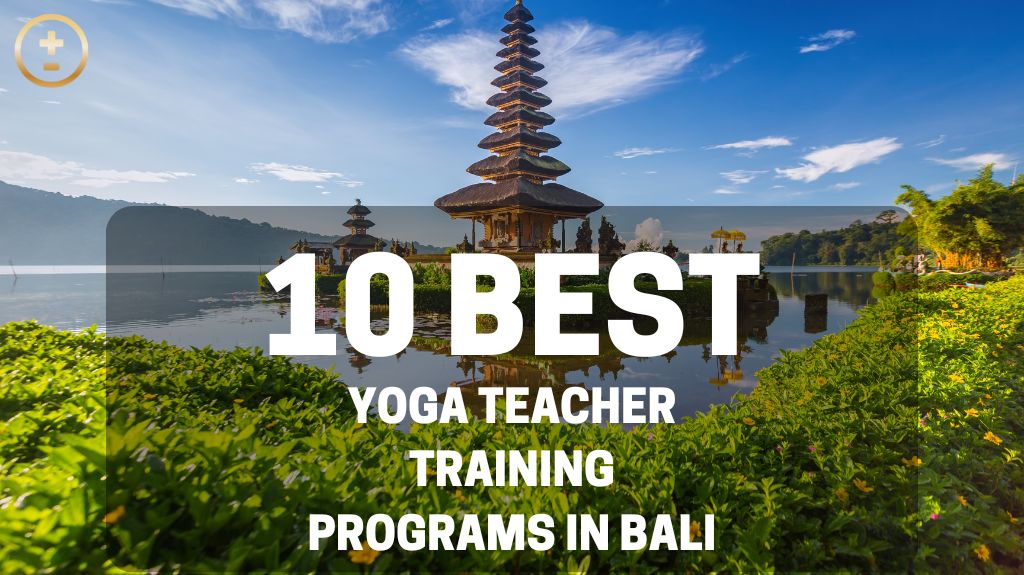
10 Best Yoga Teacher Training Programs in Bali
Bali offers yoga teacher training options for different goals. Students seeking traditional Indian-lineage teaching and small-group learning often choose Yoga New Vision. Those wanting an Ashtanga-focused program often pick All Yoga Training, while House of Om is known for flexibility and a large international community.
More than 50 Yoga Alliance registered schools now operate across Ubud, Canggu, Uluwatu, Sanur, and Nusa Lembongan, teaching everything from traditional Hatha Yoga to modern Vinyasa and multi-style programs. The challenge is not finding a course. The challenge is choosing the right one.
Two schools can charge the same tuition and deliver completely different experiences. One may offer daily teaching practice, experienced faculty, and small-group mentoring. Another may focus more on accommodation and lifestyle than instruction quality.
A 200-hour yoga teacher training is a major investment of time, money, and energy. The right course deepens your practice and prepares you to teach with confidence. The wrong one leaves you with a certificate and little else.
We reviewed Yoga Alliance registered schools operating in Bali in 2026 using a transparent methodology based on teaching quality, faculty experience, curriculum depth, student outcomes, class size, value, and transparency. In this guide you will learn how to compare trainings, which red flags to avoid, which Bali location suits your goals, what a realistic budget looks like, and how Bali compares with India.
Every recommendation is based on published information, verified reviews where available, curriculum quality, and overall student experience rather than marketing claims alone.
Why You Can Trust This Guide
Yoga New Vision appears in this ranking and is also the publisher of this guide. Readers should independently evaluate every school based on teaching style, faculty experience, curriculum, class size, and personal goals before deciding. No school paid for placement, and every review includes both strengths and limitations.
Our research process included reviewing Yoga Alliance registered schools currently operating in Bali, evaluating public curriculum information, comparing faculty credentials, analyzing independent reviews from platforms such as Google and BookYogaRetreats, and comparing class size, pricing, and inclusions.
Quick Comparison Table
Not every yoga teacher training in Bali serves the same student. Some focus on traditional philosophy and small-group mentoring, others on Ashtanga practice, beachfront settings, or multi-style flexibility. Use this table to shortlist schools that match your goals before reading the full reviews.
| # | School | Location | Main Style | Duration | Starting Price (2026) | Best For | Not Ideal For |
|---|---|---|---|---|---|---|---|
| 1 | Yoga New Vision | Ubud | Meditative Hatha Vinyasa | 21 days | From $1,999 | Authentic Indian lineage, small groups, deep philosophy | Students wanting a highly social, nightlife-focused Bali experience |
| 2 | All Yoga Training | Nusa Lembongan | Ashtanga Vinyasa | 23 days | From $2,650 | Dedicated Ashtanga practitioners and island immersion | Students wanting a broad multi-style curriculum |
| 3 | House of Om | Ubud | Multi-Style | 20 days | From $2,125 | Flexibility and large graduate community | Students preferring highly personalized mentoring |
| 4 | Ulu Yoga | Uluwatu | Vinyasa & Hatha | 21 days | From $1,600 | Ocean views and hybrid learning | Students seeking a fully traditional yoga approach |
| 5 | Radiantly Alive | Ubud | RA Vinyasa | 21 days | From $2,750* | Strong studio culture and community | Students wanting all-inclusive accommodation |
| 6 | Power of Now Oasis | Sanur | Hatha & Vinyasa | 27 days | From $2,700 | Boutique beach-town setting | Students looking for intensive traditional training |
| 7 | Loka Yoga School | Kedungu (near Canggu) | Hatha & Vinyasa | 28 days | From $2,000 | Beginners seeking a balanced curriculum | Students wanting a strong single-tradition focus |
| 8 | Blooming Lotus Yoga | Ubud | Hatha, Vinyasa & Yin | 23 days | From $2,595 | Meditation and personal transformation | Students seeking extensive teaching methodology |
| 9 | Samyama | Ubud | Philosophy & Meditation | 25 days | From $1,800 | Inner work and contemplative practice | Students prioritizing dynamic asana training |
| 10 | Yoga Union | Ubud | Vinyasa Flow | 23 days | From $2,424 | All-inclusive training experience | Students seeking small cohorts and individual attention |
*Prices are approximate 2026 starting rates in USD for the 200-hour course, often for early registrants, and usually include shared accommodation except where noted. Radiantly Alive is studio-based and does not include accommodation. Always confirm current prices and dates on each school’s official website before booking.
How We Ranked These Schools
We evaluated every qualifying school using seven weighted criteria.
| Factor | Weight | Why It Matters |
|---|---|---|
| Teaching Quality | 25% | Strong instruction determines how prepared you feel after graduation. |
| Faculty Experience | 20% | Experienced teachers provide deeper guidance and mentorship. |
| Curriculum Depth | 15% | A balance of asana, anatomy, philosophy, and teaching methodology creates better teachers. |
| Student Reviews | 15% | Verified graduate feedback provides real-world insight into outcomes. |
| Class Size | 10% | Smaller groups allow more personal correction and support. |
| Value for Money | 10% | We evaluated what students actually receive for the investment. |
| Transparency | 5% | Clear pricing, honest communication, and current registration status build trust. |
This methodology rewards teaching confidence, learning quality, and long-term value rather than luxury accommodation or social media popularity.
A note on rankings: No training is the best choice for everyone. A student wanting traditional philosophy and small groups may choose differently than one seeking beachfront Ashtanga training or a large international community. These rankings narrow your options; they do not replace your own research.
5 Questions to Ask Before Choosing a Yoga Teacher Training
Answer these five questions before comparing schools. Together they narrow fifty options down to two or three realistic ones.
What’s your goal?
Training to teach, deepening a personal practice, or both? Career-focused students should weight faculty experience and post-graduation support heavily. Personal-practice students can weight philosophy and setting higher.
Single style or multi-style?
Ashtanga or classical Hatha builds deeper technical mastery in one method. Vinyasa, Yin, and multi-style programs build broader, more marketable versatility.
Which location fits you?
Ubud suits depth and culture, Canggu suits social energy, Uluwatu suits ocean and surf, Nusa Lembongan suits total quiet.
What’s your real budget?
Include flights, excursions, and spending money, not just the course fee. A cheap course with no included accommodation can cost more than an all-inclusive one.
Residential or studio-based?
Residential retreats build cohort bonding. Studio-based courses, where you arrange your own housing, give more independence.
Once you have these answers, ask any shortlisted school for the lead teacher’s name, Yoga Alliance level, years of experience, and maximum class size in writing. Confirm current RYS status on the official Yoga Alliance directory before paying a deposit. A logo on a website is not proof of registration.
Credibility and Trust Signals at a Glance
A polished website does not guarantee a quality teacher training. These signals are harder to fake than marketing copy.
| School | Yoga Alliance Status | Class Size | Known For |
|---|---|---|---|
| Yoga New Vision | RYS 200 & 300 | Small cohorts | Indian lineage, personalized training |
| All Yoga Training | RYS 200 & 300 | Max 24 students | Bali’s most established Ashtanga school |
| House of Om | RYS 200 & 300 | Medium to large | Multi-style training, large international community |
| Ulu Yoga | RYS 200, 300 & 500 | Medium | Ocean-cliff setting, hybrid study model |
| Radiantly Alive | RYS 200 | Studio-based | One of Ubud’s most recognized studios |
| Power of Now Oasis | RYS 200 | Boutique | Beachfront, wellness-focused environment |
| Loka Yoga School | RYS 200 | Medium | Accessible multi-style training |
| Blooming Lotus Yoga | RYS 200 & 300 | Small | Transformation-oriented programs |
| Samyama | RYS 200 | Small | Philosophy and meditation emphasis |
| Yoga Union | RYS 200 | Medium to large | Popular all-inclusive format |
Always verify current Yoga Alliance registration directly on the official Yoga Alliance directory before paying a deposit, since status can change over time.
Which Yoga Teacher Training Is Right for You?
The best yoga teacher training in Bali is not necessarily the highest-ranked one. It is the one that matches your goals, teaching style preference, budget, and learning environment.
| Authentic Indian-Lineage Training | Yoga New Vision |
| Ashtanga Yoga Mastery | All Yoga Training |
| Largest Graduate Community | House of Om |
| Ocean and Cliffside Environment | Ulu Yoga |
| Strong Studio Community | Radiantly Alive |
| Beach-Town Lifestyle | Power of Now Oasis |
| Beginner-Friendly Multi-Style Training | Loka Yoga School |
| Meditation and Inner Work | Blooming Lotus Yoga |
| Philosophy and Spiritual Inquiry | Samyama |
| All-Inclusive Convenience | Yoga Union |
This match-based approach is more useful than a single numerical score because it pairs the right student with the right school instead of assuming one program fits everyone.
The 10 Best Yoga Teacher Training Programs in Bali in 2026
Detailed reviews of each school follow, in ranked order. Every review covers pricing, class size, curriculum, what makes the school different, and honest pros and considerations.
1) Yoga New Vision, Best for Authentic Indian Lineage and Small-Group Learning

Quick Facts
| Price | From USD 1,999 |
| Location | Ubud, Bali |
| Class Size | ~25 students |
| Duration | 21 Days |
| Certification | Yoga Alliance RYS 200 |
| Teaching Style | Meditative Hatha Vinyasa (Indian Wisdom + Modern Science) |
Why We Ranked It #1
Yoga New Vision teaches yoga as a traditional Indian discipline rather than a fitness practice. While many Bali trainings focus mainly on asana, this school gives equal weight to philosophy, pranayama, meditation, anatomy, and teaching methodology. It combines authentic Indian lineage with the comfort of a Bali retreat, offering a depth of study and personal attention that few island schools match. For students who want to understand yoga’s roots as well as its physical practice, this balance is the school’s defining strength.
The 200-hour curriculum covers Hatha and Vinyasa Yoga, meditation, pranayama, philosophy, anatomy and physiology, teaching methodology, sequencing, hands-on adjustments, and Ayurveda foundations, taught in a retreat setting surrounded by Ubud’s rice fields and greenery.
Founder Deep Kumar trained at Kaivalyadhama Yoga Institute in India, an institution known for pioneering scientific yoga research and education. He holds an E-RYT 500 credential and leads the training’s Meditative Hatha Vinyasa approach, which pairs traditional practice with modern anatomical understanding. Co-founder Sadhana Om brings expertise in Bhakti Yoga, mindfulness, women’s wellness, and personal transformation practices, helping create a nurturing and supportive learning environment.
This teaching lineage is the main reason the school ranks first. Most Bali schools train their faculty locally or through short-format certifications. Yoga New Vision’s founding teachers studied within India’s classical yoga education system, which shapes how the curriculum is sequenced, how philosophy is taught alongside asana, and how students are mentored day to day.
What Makes It Different
Many Bali schools run cohorts of 25 to 60 students. Yoga New Vision caps each intake at roughly 25, letting teachers give individual feedback and posture correction throughout the training. Students build teaching skills progressively through sequencing exercises, peer teaching, practice classes, feedback sessions, and a final teaching assessment, rather than through observation alone.
A typical day includes morning meditation and pranayama, asana practice, philosophy classes, anatomy workshops, teaching methodology, practice teaching sessions, and evening reflection. Accommodation, vegetarian meals, and study materials are included, so students can focus fully on the training.
Teaching Practice and Student Experience
Students do not simply observe classes. They progressively build teaching skills through sequencing exercises, peer teaching, supervised practice classes, structured feedback, and a final teaching assessment, so graduates leave with real experience leading a room rather than a certificate alone. Because cohorts stay small, teachers can offer individual posture correction and mentoring throughout the program rather than generic group instruction.
The training takes place in Ubud, a location known for its wellness community, nature, and slower pace of life. This setting supports focused study while still leaving time to explore Balinese culture, healthy food, and outdoor activities. Students describe the program as intimate rather than anonymous, with direct access to lead teachers throughout the 21 days.
- Authentic Indian teaching lineage
- Small-group learning environment
- Strong focus on meditation and pranayama
- Experienced lead teachers
- Excellent value for money
- Vegetarian meals included
- Supportive community atmosphere
- Less suited to students wanting a beach or surf-focused lifestyle
- Traditional emphasis rather than modern fitness trends
- Limited focus on yoga business and marketing compared with some commercial programs
- Better suited to students who prefer smaller groups over a large social scene
Students who want an immersive, traditional yoga education, especially those drawn to philosophy, meditation, breathwork, and personal transformation alongside teacher training. If the goal is simply a certificate, many Bali schools can provide that. If the goal is to understand yoga more deeply while learning directly from teachers with documented Indian lineage, Yoga New Vision remains one of Bali’s strongest choices for 2026, combining traditional teaching, small class sizes, experienced faculty, and accessible pricing into one of the island’s best-value 200-hour programs.
2) All Yoga Training, Best for Ashtanga Yoga and Beachfront Immersion

Quick Overview
| Location | Nusa Lembongan, Bali |
| Price | From USD 2,650 |
| Duration | 23 Days |
| Class Size | 24 Students Max |
| Certification | Yoga Alliance RYT 200 |
| Teaching Style | Ashtanga Vinyasa |
Why We Ranked It #2
All Yoga Training has run yoga teacher trainings for more than 15 years and reports certifying over 2,600 teachers internationally. It is particularly known for its Ashtanga-focused curriculum and long-running presence in Bali and Thailand. While many Bali schools take a broad multi-style approach, All Yoga commits specifically to Ashtanga Vinyasa Yoga, rewarding students who thrive in disciplined, progressive practice.
The 200-hour training takes place on Nusa Lembongan, a small island off Bali’s southeast coast, and combines Ashtanga Vinyasa, Rocket Yoga, Vinyasa Flow, Yin Yoga, meditation, pranayama, philosophy, anatomy, and teaching methodology. Students build teaching skills through practice classes, posture breakdowns, alignment workshops, and supervised teaching sessions.
What Makes It Different
The school’s biggest differentiator is its beachfront setting combined with a strong Ashtanga foundation. Unlike programs built around lifestyle and wellness experiences, All Yoga stays training-focused, emphasizing disciplined practice and technical understanding. The island setting trades Ubud’s culture and Canggu’s café scene for quieter beaches and a slower rhythm, which many students find ideal for disconnecting and focusing fully on training.
- One of Bali’s most established yoga schools
- Strong Ashtanga and Vinyasa foundation
- Beachfront learning environment
- Small class sizes
- Proven track record with graduates worldwide
- Strong Ashtanga focus may not suit every student
- Less philosophy and traditional Indian yogic study than some schools
- Nusa Lembongan requires a boat transfer from mainland Bali
Students who want a disciplined, Ashtanga-based training, enjoy dynamic practice, and prefer an island setting over Bali’s busier yoga hubs. All Yoga remains one of Bali’s strongest options for structured, professionally run Ashtanga training in a beachfront setting.
3) House of Om, Best for Flexibility and a Large International Community

Quick Overview
| Location | Ubud, Bali |
| Price | From USD 2,125 |
| Duration | 20 Days |
| Class Size | 25 Students Max |
| Certification | Yoga Alliance RYT 200 |
| Teaching Style | Multi-Style Yoga |
Why We Ranked It #3
House of Om has operated since 2016 and built one of the largest public review footprints among Bali yoga schools, across platforms including Facebook, TripAdvisor, and retreat marketplaces. It also offers hybrid formats, letting students complete part of their study online before a shorter in-person immersion, making it one of the more accessible pathways into yoga teacher training.
The 200-hour curriculum blends Hatha, Vinyasa Flow, Yin, and Restorative Yoga with meditation, pranayama, philosophy, anatomy, teaching methodology, and injury prevention rather than focusing on a single lineage.
What Makes It Different
House of Om’s biggest advantage is flexibility. While many Bali trainings require full residential commitment, House of Om offers multiple learning pathways for working professionals, parents, and travelers with limited time. Cohorts run larger than at boutique schools, creating a strong international community and networking opportunities that many graduates value long after training ends.
- Extensive review history and social proof
- Flexible online and in-person study options
- Exposure to multiple yoga styles
- Strong international community
- Suitable for beginners and career changers
- Larger cohorts mean less individual attention
- Multi-style curriculum offers breadth rather than deep specialization
- Hybrid students spend less in-person practice time together
Students who want flexibility, community, and exposure to multiple yoga styles without committing to a highly specialized path. House of Om remains one of Bali’s safest, most popular choices for aspiring teachers, though students seeking intensive lineage-based training may prefer a more traditional school.
4) Ulu Yoga, Best for Ocean Views, Active Lifestyles, and Multi-Style Learning
Quick Overview
| Location | Uluwatu, Bali |
| Price | From USD 1,600 |
| Duration | 21 Days (Most Popular Option) |
| Class Size | 25 Students Max |
| Certification | Yoga Alliance RYT 200 |
| Teaching Style | Multi-Style (Hatha & Vinyasa Focus) |
Why We Ranked It #4
Ulu Yoga pairs one of Bali’s most striking training settings with a diverse curriculum for modern practitioners. Located near Bingin Beach on the Uluwatu cliffs, the school has run trainings since 2014 and built a reputation for dynamic teaching and an energetic community.
The curriculum centers on Vinyasa Flow supported by Hatha foundations, plus Yin Yoga, meditation, pranayama, philosophy, functional anatomy, teaching methodology, hands-on assisting, and sequencing. Optional workshops cover AcroYoga, Aerial Yoga, trauma-informed yoga, and Kundalini practices.
What Makes It Different
The clifftop, ocean-view setting is central to the experience, unlike jungle-surrounded Ubud schools. Students often combine training with surfing and coastal exploration. Ulu Yoga also offers hybrid learning pathways, helping students reduce costs and coursework time spent in Bali.
- Stunning ocean-view location
- Diverse curriculum with multiple yoga styles
- Experienced senior teaching team
- Flexible hybrid learning options
- Vibrant international community
- Broad curriculum means less specialization in one style
- Uluwatu gets crowded during peak tourist season
- Less traditional philosophical depth than lineage-based schools
Students who want an active, engaging training that pairs yoga education with Bali’s beach and surf culture. It may not match the philosophical depth of more traditional schools, but it delivers one of Bali’s most memorable overall experiences.
5) Radiantly Alive, Best for Vinyasa Yoga and Studio Community Learning
Quick Overview
| Location | Ubud, Bali |
| Price | From USD 2,750 |
| Duration | 21 Days |
| Class Size | Small Groups |
| Certification | Yoga Alliance RYT 200 |
| Teaching Style | RA Vinyasa |
Why We Ranked It #5
Radiantly Alive is one of Ubud’s most recognized yoga studios, built around high-quality Vinyasa training. Founded in 2012 by Daniel Aaron, it places students inside a thriving studio community rather than a retreat, training alongside regular practitioners and experienced teachers.
The 200-hour curriculum emphasizes intelligent movement, sequencing, alignment, and teaching methodology, alongside philosophy, anatomy, meditation, and pranayama, within a studio that hosts dozens of classes every week.
What Makes It Different
Unlike retreat-style programs where students live, eat, and study together, Radiantly Alive students arrange their own accommodation and logistics while training within a busy studio. This independent structure closely resembles life as a working yoga teacher and gives access to a wider Ubud yoga community than most residential programs.
- Strong Vinyasa teaching methodology
- Established, respected yoga studio
- Large local yoga community
- Central Ubud location
- Freedom to choose your own accommodation
- Accommodation and meals are not included
- Higher overall cost once housing is added
- Less immersive than residential programs
- Limited focus on traditional lineage-based teaching
Independent students who want a strong Vinyasa foundation, enjoy self-directed travel, and prefer a vibrant studio community over a retreat bubble. It remains one of Ubud’s strongest Vinyasa-focused trainings for building practical teaching skills and long-term community ties.
6) Power of Now Oasis, Best for a Boutique Beachside Training Experience
Quick Overview
| Location | Sanur, Bali |
| Price | From USD 2,700 |
| Duration | 27 Days |
| Class Size | 20 Students Max |
| Certification | Yoga Alliance RYT 200 |
| Teaching Style | Hatha & Vinyasa |
Why We Ranked It #6
Power of Now Oasis offers a more intimate experience than many larger Bali schools. Located in the quieter coastal town of Sanur, it combines structured yoga education with wellness-focused experiences and small-group learning.
The 200-hour curriculum covers Hatha, Vinyasa, and Yin Yoga, meditation, pranayama, philosophy, anatomy and physiology, teaching methodology, sequencing, and practice teaching, built to develop both personal practice and teaching confidence.
What Makes It Different
The school’s boutique approach goes beyond certification, incorporating fire ceremonies, wellness treatments, beach meditations, and community gatherings depending on the training. It also offers a post-graduation internship pathway, uncommon among Bali yoga schools. Sanur itself is quieter and less crowded than Ubud or Canggu, and small cohorts let instructors give detailed, personal feedback.
- Boutique learning environment
- Small class sizes and personalized instruction
- Internship opportunities after graduation
- Relaxed beach-town atmosphere
- Strong student support
- Higher price point than many competitors
- Accommodation usually costs extra
- Smaller social scene than Ubud or Canggu
- Less variety in teaching styles than larger schools
Students who want personal attention, a supportive environment, and a peaceful coastal setting away from Bali’s busiest yoga hubs. Power of Now Oasis delivers a polished, small-group experience for those prioritizing individual development over scale.
7) Loka Yoga School, Best for Beginners Seeking Variety and the Canggu Lifestyle

Quick Overview
| Location | Kedungu, Bali |
| Price | From USD 2,000 |
| Duration | 28 Days |
| Class Size | 24 Students Max |
| Certification | Yoga Alliance RYT 200 |
| Teaching Style | Hatha & Vinyasa |
Why We Ranked It #7
Loka Yoga School is a popular choice for students wanting a broad introduction to yoga teaching without committing to a single tradition. Located near Canggu, Bali’s surf and wellness hub, it pairs a multi-style curriculum with an energetic community atmosphere.
The 200-hour training covers Hatha, Vinyasa, and Yin Yoga, meditation, pranayama, philosophy, anatomy and physiology, teaching methodology, sequencing, and practice teaching, exposing students to several approaches rather than specializing in one.
What Makes It Different
Location plays a major role: Loka places students in Canggu’s modern wellness scene, with cafés, coworking spaces, surf beaches, and fitness studios all nearby, rather than Ubud’s spiritual and cultural focus. For many students the appeal lies in balancing study with Canggu’s social and creative energy.
- Beginner-friendly curriculum
- Exposure to multiple yoga styles
- Vibrant community atmosphere
- Prime Canggu location
- Accessible entry point into yoga teaching
- Less depth in any single yoga tradition
- Busy location can be distracting for some students
- Traffic and noise are common in Canggu
- Less traditional philosophical emphasis than some schools
Beginners who want to explore multiple yoga styles, enjoy a social environment, and experience Bali’s popular surf and wellness culture. Students seeking deep lineage-based study may prefer a more traditional school.
8) Blooming Lotus Yoga, Best for Meditation, Inner Transformation, and Spiritual Depth

Quick Overview
| Location | Ubud, Bali |
| Price | From USD 2,595 |
| Duration | 23 Days |
| Class Size | 18 Students Max |
| Certification | Yoga Alliance RYT 200 |
| Teaching Style | Hatha, Vinyasa & Yin Yoga |
Why We Ranked It #8
Blooming Lotus Yoga has built a strong reputation for a contemplative, spiritually focused training. Founded by Lily Goncalves, it places significant emphasis on meditation, self-inquiry, yogic philosophy, and personal transformation rather than physical practice alone.
The curriculum covers traditional Hatha Yoga, Vinyasa, meditation, pranayama, mantra and chanting, philosophy, yogic lifestyle practices, teaching methodology, anatomy foundations, and personal development, taught in a secluded jungle setting.
What Makes It Different
Blooming Lotus dedicates substantial time to silence, contemplation, breathwork, and self-reflection, where many Bali schools emphasize dynamic asana instead. Students are encouraged to explore yoga as a transformational practice rather than only a teaching qualification, supported by a peaceful jungle environment removed from Bali’s busier tourist areas.
- Strong meditation and philosophy curriculum
- Peaceful jungle environment
- Traditional, heart-centered teaching approach
- Good value with accommodation and meals included
- Suitable for students seeking deeper self-inquiry
- Less emphasis on athletic or advanced asana practice
- Not ideal for students focused primarily on teaching career development
- Remote location offers fewer lifestyle amenities
Students who want a meditation-rich training and view yoga as a path of personal transformation rather than solely a certification. It offers depth many larger, more commercial schools struggle to match, though it may not appeal to those wanting a highly athletic or career-focused program.
9) Samyama, Best for Meditation, Philosophy, and Ashram-Style Learning
Quick Overview
| Location | Ubud, Bali |
| Price | From USD 1,800 |
| Duration | 25 Days |
| Class Size | Not specified |
| Certification | Yoga Alliance RYT 200 eligible |
| Teaching Style | Meditative discipline |
Why We Ranked It #9
Samyama takes a distinctly different approach from most Bali schools. Where many programs emphasize dynamic Vinyasa and physically demanding practice, Samyama centers meditation, self-inquiry, and yogic philosophy, offering one of the island’s most introspective training environments.
The 200-hour curriculum includes meditation practices, Hatha Yoga, pranayama, philosophy, yogic ethics and lifestyle, self-inquiry and reflection, anatomy foundations, teaching methodology, and mindfulness techniques, with asana as only one part of a broader path.
What Makes It Different
The atmosphere is what sets Samyama apart. It often feels closer to an ashram than a commercial retreat, intentionally quiet and reflective, free of Bali’s typical wellness-tourism distractions. Smaller cohorts create close mentorship, with extended meditation, philosophical discussion, and journaling built into most days.
- Strong emphasis on meditation and philosophy
- Quiet, ashram-inspired environment
- Small class sizes
- Ideal for personal growth and self-inquiry
- Residential options available
- Less emphasis on dynamic Vinyasa practice
- Not ideal for students seeking athletic or fitness-focused training
- Limited focus on yoga business and marketing
Students who want to deepen meditation practice, explore yoga philosophy, and experience a quieter, more contemplative training. Samyama remains one of Bali’s most distinctive options for philosophy-driven practitioners, though those seeking intensive physical practice may prefer another school.
10) Yoga Union, Best for All-Inclusive Convenience and Structured Learning
Quick Overview
| Location | Ubud, Bali |
| Price | From USD 2,424 |
| Duration | 23 Days |
| Class Size | 26 Students Max |
| Certification | Yoga Alliance RYT 200 |
| Teaching Style | Vinyasa Flow |
Why We Ranked It #10
Yoga Union has become one of Bali’s most recognized providers by offering a straightforward, all-inclusive experience that removes much of the planning uncertainty of training abroad. Its structured curriculum, bundled accommodation, and long operating history make it attractive to first-time students wanting a clear path from enrollment to graduation.
The 200-hour training covers Hatha and Vinyasa Yoga, meditation, pranayama, anatomy and physiology, philosophy, teaching methodology, sequencing, practice teaching, and assessment, following a step-by-step format.
What Makes It Different
Yoga Union’s biggest strength is simplicity. By bundling accommodation, meals, training, and logistical support into one package, it creates a predictable experience for students unfamiliar with navigating Bali. Larger cohorts create a lively, international, community-oriented atmosphere in a central Ubud location.
- Fully organized and easy-to-plan experience
- Accommodation and meals included
- Clear and structured curriculum
- Strong community atmosphere
- Convenient Ubud location
- Larger cohorts mean less individual attention
- Less personalized than boutique schools
- Broader curriculum may lack depth in certain areas
- Competitive programs may offer stronger lineage-based training
Students who want a reliable, all-inclusive training with minimal logistical planning and a clear, structured path. Yoga Union may lack the intimacy of smaller schools or the specialized focus of lineage-based programs, but it delivers dependable, well-organized value for first-time trainees.
How to Choose the Right Yoga Teacher Training in Bali
Two schools can both offer a Yoga Alliance certified 200-hour course at a similar price and still deliver completely different learning experiences. These seven factors matter most.
Teaching faculty. Check who leads the training: years of experience, lineage, qualifications, and whether they have trained teachers before. Experienced faculty explain complex topics clearly and give meaningful feedback.
Class size. In a group of 10 to 15, teachers can correct alignment and support your development daily. In a group of 30 or more, individual feedback becomes limited.
Teaching practice hours. Learning yoga and teaching yoga are different skills. Ask how much of the curriculum involves supervised teaching practice rather than personal practice alone.
Curriculum balance. Look for philosophy, anatomy and physiology, pranayama, meditation, teaching methodology, sequencing, and ethics, not asana alone. The strongest programs build well-rounded teachers, not just stronger practitioners.
Learning environment. Some students thrive in a quiet jungle setting; others prefer beachside locations or larger international communities. Choose the setting that matches your personality.
Graduate outcomes. Look for evidence that former students are teaching, opening studios, leading retreats, or continuing advanced study. Graduate success is a stronger signal than marketing claims.
Transparency. A trustworthy school gives clear answers on pricing, teachers, curriculum, accommodation, and expectations. Vague answers to direct questions are a warning sign.
Quick verification checklist
- Active Yoga Alliance registration
- Named lead teachers with verifiable credentials
- Published curriculum and hour breakdown
- Clear class-size limits
- Independent reviews on multiple platforms
- Transparent pricing and refund policy
- Supervised teaching practice included
- Recent graduate testimonials
A school that checks every box is usually a safer choice than one selected on price or location alone.
Why Bali Is One of the Best Places in the World to Study Yoga
Bali combines authentic spiritual culture, natural beauty, and a supportive wellness community, an environment that naturally supports reflection, discipline, and personal growth beyond a typical studio setting.
Balinese daily life is shaped by Hindu traditions, temple ceremonies, and community offerings, giving many students a deeper connection to yoga’s philosophical roots. Rice terraces, jungles, waterfalls, and volcanic landscapes create a setting that supports focus, making it easier to disconnect from distractions and commit fully to study.
The island also attracts students, teachers, and wellness practitioners from around the world, creating an international community and professional connections that often continue after graduation. Healthy food, wellness centers, coworking spaces, and retreat facilities are widely available, making it easy to maintain balance during an intensive program.
This combination of serious study and modern comfort is a major reason Bali remains one of the world’s most popular yoga teacher training destinations.
What Is Included in a Yoga Teacher Training in Bali?
Usually included: Yoga Alliance approved curriculum, philosophy classes, anatomy and physiology training, meditation and pranayama practice, teaching methodology workshops, supervised teaching practice, final assessment, and certification. Residential programs typically add accommodation for the full course and two to three vegetarian or vegan meals daily. Most schools also provide training manuals, study resources, and practice journals, plus occasional extras like sound healing sessions, cultural excursions, temple visits, and guest teacher workshops.
Usually not included: Flights, travel insurance, visa fees, airport transfers, private accommodation upgrades, additional excursions, and laundry services.
Request a complete written list of inclusions and exclusions before booking to avoid unexpected costs.
How Much Does Yoga Teacher Training in Bali Cost in 2026?
A 200-hour yoga teacher training in Bali typically costs between $1,700 and $3,500 in 2026. Most residential programs fall within $2,000–$2,800 and include accommodation, meals, materials, and certification.
Budget-friendly, shared accommodation, essential inclusions.
Mid-range, stronger facilities, additional workshops.
Boutique venues, private rooms, premium amenities.
Price depends on accommodation quality, location, faculty experience, class size, and included workshops. A higher price does not automatically mean a better education; faculty quality, teaching practice hours, and class size matter more than resort-style facilities.
Is Bali Better Than India for Yoga Teacher Training?
Bali and India are both excellent destinations, but they offer different experiences. India is the birthplace of yoga and offers the deepest connection to traditional culture. Bali combines authentic teaching with a more accessible, comfortable environment for international students.
| Factor | Bali | India |
|---|---|---|
| Tradition | Strong | Deepest |
| Cost | Moderate | Lower |
| Comfort | High | Varies |
| Community | International | Mixed |
| Accessibility | Easy | Moderate |
| Lifestyle | Wellness-focused | Traditional |
| Tourism Infrastructure | Excellent | Varies |
| Yoga Alliance Certification | Available | Available |
Choose Bali if: you want authentic training with modern comfort, you are traveling internationally for the first time, you prefer a supportive wellness community, or you want beaches and culture alongside your studies.
Choose India if: you want the deepest immersion in traditional yoga culture, budget is a major factor, you prefer an ashram environment, or you want a highly traditional experience with fewer distractions.
Some schools combine Indian teaching lineage with Bali’s environment, letting students experience traditional yogic education without sacrificing comfort or accessibility. Programs led by India-trained teachers operating in Bali represent this middle ground for many international students.
Frequently Asked Questions
What is the best yoga teacher training in Bali?
The best yoga teacher training in Bali depends on your goals. Students wanting traditional yoga, small groups, and Indian lineage often choose Yoga New Vision in Ubud. For Ashtanga, All Yoga Training is a popular option. For flexibility and a large international community, House of Om remains one of the most recognized schools.
How much does yoga teacher training in Bali cost?
A 200-hour yoga teacher training in Bali typically costs between $1,700 and $3,500. Most residential programs fall between $2,000 and $2,800 and include accommodation, meals, course materials, and Yoga Alliance certification. Private rooms and boutique programs generally cost more.
Do I need experience before joining a yoga teacher training?
No. Most Bali yoga schools accept beginners. Having three to six months of regular practice helps you adapt more easily to the physical and academic demands of the course, though each school sets its own admission requirements.
Is Yoga Alliance certification worth it?
Yes. Yoga Alliance certification lets graduates register as an RYT 200 and is recognized by studios, gyms, and wellness centers worldwide. It does not guarantee teaching quality, but it remains the most widely accepted international standard for yoga teacher training.
How long does a 200-hour yoga teacher training take?
Most 200-hour programs in Bali run 21 to 28 days. Intensive courses may run 14 to 18 days, while extended formats spread training across several weeks. Every program must still meet the minimum 200-hour requirement regardless of length.
Can I teach yoga after completing a 200-hour training?
Yes. Graduates of a Yoga Alliance Registered Yoga School can register as an RYT 200 and teach internationally. Confidence and teaching ability depend on how much supervised teaching practice was included in the training, not just the certificate itself.
What visa do I need for yoga teacher training in Bali?
Most students use a Visa on Arrival (VoA or e-VoA), allowing a 30-day stay that can usually be extended once. Students planning longer stays often use a B211A visit visa. Visa rules can change, so always verify current requirements before traveling.
Which location in Bali is best for yoga teacher training?
Ubud suits students seeking culture, spirituality, and focused study. Canggu appeals to those who enjoy surfing and a social atmosphere. Uluwatu offers ocean views and an active lifestyle, while Nusa Lembongan provides a quieter island setting.
Is Bali better than India for yoga teacher training?
Neither is universally better. India offers the deepest connection to yoga’s origins and is often more affordable. Bali combines authentic teaching with greater comfort, accessibility, and international community. The right choice depends on your budget, experience level, and learning preferences.
How do I choose the right yoga teacher training in Bali?
Compare schools on teaching faculty, class size, curriculum quality, teaching practice hours, graduate outcomes, and transparency. Experienced teachers, small groups, and strong teaching practicums usually matter more than accommodation quality or resort-style facilities.