Table of Contents
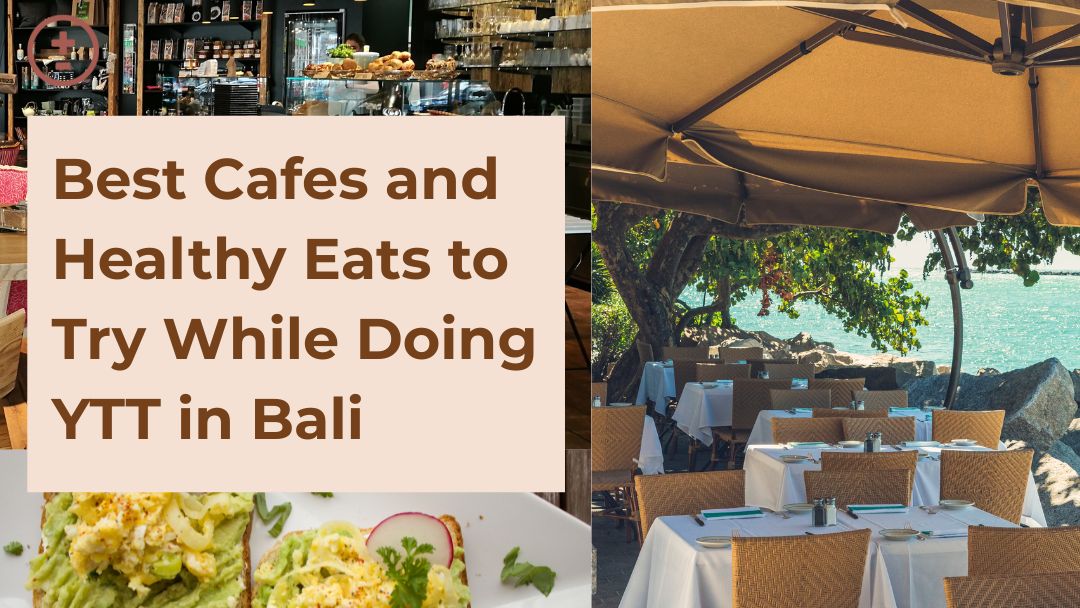
ToggleBest Cafes and Healthy Eats to Try While Doing YTT in Bali
By Deep Kumar | Founder, Yoga New Vision Bali
The best cafes for yoga teacher training students in Bali are concentrated in Ubud, with standout options in Canggu for those training near the coast. Sayuri Healing Food, Moksa, Alchemy, Zest, and Wild Vegan are the top choices, covering raw plant-based, Ayurvedic, budget-friendly, and community-oriented dining. What you eat during your YTT shapes your energy, your sleep, and how much of the philosophy actually lands.
I have been guiding YTT students through Ubud since 2009. One thing I have watched repeat itself with every new batch: students who eat without thinking about their practice struggle around day eight. The ones who choose food intentionally, right from the first morning, move through the training differently. Food is not separate from yoga here. In Ubud, the food scene actually supports that.
This guide is what I share with our students before their first free Sunday. These are the places I personally know, the dishes worth ordering, and a few honest opinions I would not usually write down.
Why Food Choices Matter More During YTT Than Any Other Trip
During your 200-hour YTT Bali, your body is processing six to eight hours of physical practice, meditation, and philosophy every single day. Your digestive fire, called Agni in Ayurveda, gets taxed in ways most students do not expect. Eating heavy, oily, or processed food during this period does not just make you sluggish. It genuinely dulls the mental clarity you need to absorb what is being taught.
The traditional yogic diet is Sattvic: light, fresh, mostly plant-based, and easy on digestion. You do not have to become a raw food purist overnight. But choosing meals aligned with this principle will make a noticeable difference from week one.
Ubud makes Sattvic eating genuinely easy. The restaurant culture here has built itself around exactly this kind of food.
The Cafes I Send Every YNV Student To
Sayuri Healing Food
This is the first cafe I recommend to every new student. Sayuri is built around raw and plant-based food, and the atmosphere immediately tells you that the people running it take this seriously. The Big Boy Breaky in the morning, a smoothie bowl, or the plant-based Croque Monsieur work well before or after a lighter practice session.
It has a 4.4-star rating from over 2,300 Google reviews, which is impressive for a raw food cafe. The quality has stayed consistent for years, which is not something you can say about every Ubud institution.
Moksa (Sayan Area)
Moksa sits in the Sayan area, a short ride from central Ubud, and it runs its own permaculture garden on site. The vegetables on your plate were growing there that morning. The Jack Tikka Masala and Tempeh Ribs are genuinely good, not just “good for vegan food.”
It holds a 4.7-star rating from nearly 1,500 reviews. Moksa Ubud For students who want clean, well-sourced food with real flavor, Moksa is probably the best overall restaurant in this entire list.
Seeds of Life
Seeds of Life has a particular energy that YTT students respond to almost immediately. There is a natural density of yogis and students here, so it starts to feel like a familiar space quickly. The raw and gently cooked food is designed to retain nutrients rather than just taste good.
It carries a 4.6-star rating from over 1,600 reviews. If you are looking for a place where you will not feel out of place eating alone and reading your Yoga Sutras, Seeds of Life is that place.
Alchemy Bali
Alchemy is one of the original 100 percent raw food cafes in Ubud. The menu covers pizzas, salads, and desserts, all raw. First-timers are sometimes surprised that raw pizza can actually be satisfying. It took me a few visits to fully appreciate what they were doing, but it won me over. It holds a 4.4-star rating from over 2,700 reviews.
Zest
Zest is the social heart of Ubud’s yogi food scene. The mushroom latte and the mojo salad are local staples for good reason. What makes Zest stand out beyond the food is that it regularly hosts kirtans, tea ceremonies, and ecstatic dance evenings that align directly with the kind of off-mat experience YTT students are looking for.
It has the highest review count on this list: 4.3 stars from over 3,200 reviews. The prices are genuinely fair for the quality. I have sent students here for their free Sunday for years.
The Vegan-Specific Spots Worth Knowing
Wild Vegan
Wild Vegan incorporates medicinal plants directly into their main dishes. This is not a marketing claim. The Tempeh Potato Steak and Raw Vegan Lasagna are built around anti-inflammatory and restorative ingredients that actually make sense for a training body. It holds a 4.8-star rating from nearly 950 reviews.
Herb Library
Herb Library is my recommendation for beverages specifically. The Royal Balinese Tea is a must, and their version of Indonesian Nasi Kuning is clean and properly seasoned. It is open-air and locally sourced. 4.6 stars, over 2,500 reviews.
Clear Cafe (The Jamu Destination)
Clear Cafe is where you go for jamu. Jamu is a traditional Balinese herbal medicine drink made from tamarind, ginger, yellow turmeric, and white turmeric. It has natural anti-inflammatory and digestive properties that are genuinely useful during intense training.
Clear Cafe serves jamu alongside one of the most varied food menus in Ubud: Indonesian, Thai, Indian, Middle Eastern, and Mexican, all using fresh local produce and seafood from the docks. Clear Cafe Ubud It holds a 4.3-star rating from over 4,100 reviews.
Simply Social
A laid-back cafe with a relaxed road-side atmosphere. The tofu poke bowl, shredded jackfruit tacos, and tofu pad Thai are the picks here. 4.6 stars, over 2,200 reviews. Good for a weekday evening when you want food without an event attached.
For Indian Students: You Do Not Have to Miss Home
A lot of our students come from India or South Asian communities abroad. They want Indian food within the first four days, without fail. Ubud has genuinely good options.
Panchamrit is my top pick. It is Ayurvedic Indian vegetarian, North and South Indian both, and the portions are generous. The Ghee Roast Dosa and the Dal are as good as anything you would find in a decent South Indian restaurant back home. It holds a 4.9-star rating from 465 reviews, the highest-rated restaurant on this entire list.
Mumbai Station handles pure South Indian staples: Masala Dosa, Uttapam, Kitchari with or without ghee, Poha. It is simple and reliable for a morning meal before training. 4.3 stars, 517 reviews.
Amrta Siddhi is part of an Ayurvedic health center and serves food designed for digestion support. If a student tells me their stomach has been off since day three, Amrta Siddhi is where I send them. Kitchari, mild vegetable soups, and seasonal curry bowls, all gentle. 4.8 stars, 355 reviews.
Local Balinese Foods Every Student Should Try
Gado Gado is a boiled vegetable salad with tofu, tempeh, and eggs in peanut sauce. It is naturally Sattvic-leaning, widely available at local warungs for under 40,000 IDR, and genuinely good for a training body. Eat it for lunch.
Soto Ayam is an Indonesian chicken soup built on turmeric and ginger broth. The anti-inflammatory compounds in it are exactly what sore muscles need at the end of a full practice day. Find it at local warungs for the most honest version.
Jamu deserves its own mention outside the cafe section. This herbal drink has been used in Balinese healing tradition for centuries. The name Ubud itself comes from the Balinese word Ubad, meaning medicine. Drinking jamu regularly during YTT is not a tourist activity. It is consistent with the tradition you are here to learn from.
Coffee Without Compromise: Rusters
Not everyone gives up coffee during YTT, and I am not going to tell you that you should. What I will say is that if you drink coffee, drink good coffee. Rusters roasts its own beans on site, runs a sunset bar in the evenings, and the food menu has range well beyond standard cafe fare. 4.5 stars, over 1,600 reviews. Worth going on a Saturday evening after a long week.
A Brief Note on Canggu
If your YTT is based near Canggu, the food culture is different. It is more international, more expensive, and more socially oriented. The raw vegan tradition is thinner there. You will find good smoothie bowls and well-run cafes, but the deep wellness-focused food culture that makes Ubud special does not transfer fully. If you have a free weekend during a Canggu-based training, the drive to Ubud for food alone is genuinely worth it.
What to Eat Around Your Practice Schedule
Eat light before morning asana. A small smoothie bowl or fresh fruit plate works. Save your full meal for after practice. Heavy food before pranayama specifically will interfere with your breathwork in ways that are obvious and uncomfortable. Most students learn this on day two. I am telling you now so you do not have to.
Avoid fried food, processed snacks, and high-sugar drinks during the week. Not because of ideology. Because they affect sleep quality, and your sleep during YTT determines how much of the philosophy you retain the next day.
Quick Budget Guide
Local warung meals in Ubud run between 25,000 and 60,000 IDR. Mid-range cafes like Bali Buda, Simply Social, or Herb Library sit around 80,000 to 150,000 IDR per meal. Places like Moksa or Sayuri for a full sit-down meal with a drink run 150,000 to 250,000 IDR. You can eat very well on 200,000 to 300,000 IDR per day if you mix warung meals with one quality cafe visit.
If you are considering your yoga teacher training in Bali, book a free 15-minute call with our team. We will answer everything, including which cafes are walking distance from our shala.
Frequently Asked Questions
-
What should I eat before morning yoga practice during YTT in Bali?
Eat light before morning asana. A small fruit bowl, a smoothie, or a piece of fresh bread is enough. Heavy food before practice disrupts breathing and creates sluggishness. In Ayurveda, the morning digestive fire is still building. Giving it something light first protects your practice and your energy for the full training day.
-
Are there vegan cafes near yoga schools in Ubud?
Yes. Ubud has one of the highest concentrations of vegan and plant-based cafes in Southeast Asia. Sayuri Healing Food, Wild Vegan, Seeds of Life, and Alchemy are all within reach of central Ubud yoga schools. Most students can walk to at least two quality vegan cafes from their accommodation without needing a scooter.
-
What is jamu and where can I try it in Ubud?
Jamu is a traditional Balinese herbal medicine drink made from tamarind, ginger, yellow turmeric, and white turmeric. It has anti-inflammatory and digestive properties used in Balinese healing tradition for centuries. Clear Cafe in Ubud serves it consistently. Drinking jamu regularly during YTT supports digestion and recovery in ways that align with the Ayurvedic principles taught in the program.
-
How much does food cost per day during YTT in Bali?
Expect to spend between 200,000 and 350,000 IDR per day on food in Ubud. Local warung meals cost 25,000 to 60,000 IDR each. Mid-range healthy cafes run 80,000 to 150,000 IDR per meal. If your YTT program includes meals on training days, your out-of-pocket food cost drops significantly to Sunday meals and occasional evening dining.
-
Which Ubud cafes are best for students who are not fully vegan?
Bali Buda is the clearest answer. It serves Balinese and Western food using non-GMO, gluten-free, and antibiotic-free ingredients without being exclusively vegan. Clear Cafe also works, serving a broad international menu with both plant-based and responsibly sourced fish and poultry options. Both accommodate students with varied diets without compromising on overall food quality.
-
Is there good Indian vegetarian food in Ubud for South Asian students?
Yes, and it is genuinely good. Panchamrit serves both North and South Indian vegetarian dishes with Ayurvedic principles and holds a 4.9-star Google rating. Mumbai Station covers South Indian staples like masala dosa and uttapam. Amrta Siddhi offers Ayurvedic light meals ideal for students with sensitive digestion during intense training weeks.
-
What is the Sattvic diet and why does it matter during yoga teacher training?
Sattvic food is fresh, light, plant-based, and easy to digest. In yogic philosophy, Sattvic eating supports mental clarity, emotional steadiness, and spiritual receptivity. During YTT, when students are absorbing philosophy and practicing up to eight hours daily, food choices directly affect how well they sleep, recover, and retain what they are learning in the classroom.
-
What local Balinese foods should yoga teacher training students try in Ubud?
Gado gado, a peanut sauce salad with tofu and tempeh, is the most YTT-compatible local dish. Soto ayam, a turmeric and ginger chicken broth, supports post-practice recovery. Jamu, the traditional herbal drink, is a wellness staple. Nasi campur offers a balanced rice-based plate in both vegetarian and non-vegetarian versions. All are available at local warungs affordably.
-
Does the food culture in Canggu support YTT students the same way Ubud does?
Not quite. Canggu has good cafes and strong smoothie bowl culture, but it lacks the deep Ayurvedic and raw food tradition that Ubud has built over decades. Food in Canggu trends more international and socially driven. Students doing YTT in Canggu often plan a trip to Ubud specifically for the food experience during their first free weekend.
-
Which cafe in Ubud has the best community atmosphere for yoga teacher training students?
Zest is the answer most of our students give after a few weeks in Ubud. It runs regular kirtan evenings, tea ceremonies, and ecstatic dance events that draw the YTT crowd naturally. Seeds of Life carries a similar spiritual energy. Both extend the training experience well beyond the classroom and the mat.