Table of Contents
ToggleTraditional Hatha Yoga Class Style: The Authentic Sequence, Science, and Teaching Method
Deep Kumar, ERYT-500 | Founder, Yoga New Vision, Ubud, Bali
A traditional Hatha yoga class is a 75 to 90-minute practice rooted in ancient Indian lineage. It moves through sacred ritual, asana, Yoga Nidra, pranayama, and meditation in a deliberate, non-negotiable order. Each stage prepares the nervous system, the breath, and the mind for genuine inner stillness, not physical performance.
What Most People Get Wrong About Hatha Yoga
Most people encounter the same explanation: “Ha means sun, tha means moon, and Hatha is about balance.” That is accurate. It is also incomplete in the exact way that keeps most practitioners stuck at the surface.
Patanjali’s Yoga Sutras, which most modern curricula treat as the root of Hatha, are a Raja Yoga text. They focus on the mind and meditation, not the physical body. Hatha Yoga as a distinct system was pioneered centuries later by Guru Gorakhnath and the Nath lineage, who held a position the mainstream yoga world largely ignores: the physical body is an alchemical instrument, and mastering its subtle energies is the most direct path to the states Patanjali described.
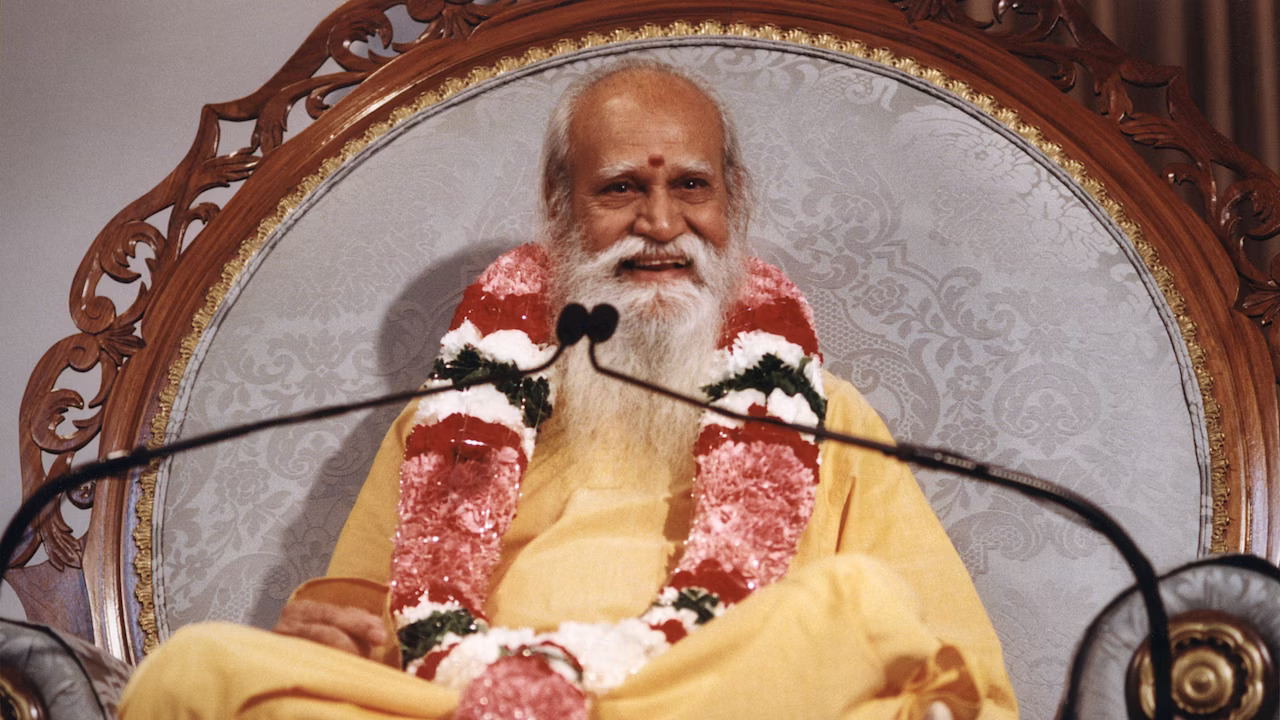
I trained at the Kaivalyadhama Institute in Lonavala, founded by Swami Kuvalayananda, the first person to study yoga through controlled scientific methodology. That lineage treats Hatha as a precision instrument for the autonomic nervous system, the endocrine system, and prana, not as exercise or a relaxation routine. Sri Swami Satchidananda carried this tradition forward through the Integral Method, which is the methodology at the center of our teaching at Yoga New Vision.
Before building Yoga New Vision, I founded Siddhi Yoga, Deep Yoga Academy, and East+West Yoga. Those years showed me what the traditional sequence produces in students when it is taught with full fidelity to its lineage, and what it fails to produce when teachers simplify it for scheduling convenience.
The Full Traditional Hatha Yoga Class Structure
The class arc at Yoga New Vision follows the Satchidananda Integral Method. Every transition serves a specific physiological and energetic purpose.
The 90-minute time allocation:
- Opening ritual, OM chant, and eye exercises: 10 minutes
- Surya Namaskar, three rounds: 10 minutes
- Asana sequence, backward bends through Yoga Mudra: 35 minutes
- Yoga Nidra: 15 minutes
- Pranayama, Deergha Swaasam through Nadi Suddhi: 10 minutes
- Meditation and closing chant: 10 minutes
Opening Ritual, OM Chant, and Eye Exercises
Before a single asana begins, I approach the altar, light a candle, and make an affirmation. This is not ceremonial decoration. It shifts the teacher’s nervous system from performing to transmitting, and students feel the difference even when they cannot name it.
The OM chant vibrates from the belly to the skull and stimulates the pituitary gland, which releases beneficial hormones into the body. Most students experience this as an unexpected shift in mental clarity without understanding why. The physiology is real.
Eye exercises follow, and this is the stage most teachers drop first. The optic nerves carry more sensory load than any other nerve system in the body. Gentle eye movements followed by warm palming send a direct calming signal through the optic nerve to the brain, and then downward through the entire nervous system.
The Asana Sequence: Controlled Stress as a Teaching Tool
Three rounds of Surya Namaskar warm every major joint and muscle group. I use those three rounds to observe each student individually, because how a person moves through a Sun Salutation reveals more about their postural holding patterns than any intake form will.
Backward bending poses follow. These stimulate the sympathetic nervous system, and the body enters a controlled state of physiological stress that triggers the release of toxins held in the posterior chain, particularly in the psoas. This is the part most teachers do not explain: traditional Hatha applies deliberate hormetic stress to the sympathetic nervous system so the parasympathetic rebound is deep and genuine.
At Yoga New Vision, we integrate Alexander Lowen’s Bioenergetics at this stage. The psoas stores unresolved chronic stress and fear, and backward bends practiced with somatic awareness begin releasing tension held in that muscle for years. Our biomechanics faculty, Rajat Thakur, teaches this mechanism in detail within our 200 Hour Yoga Teacher Training in Bali.
Forward bending poses follow the backbends. They activate the parasympathetic nervous system and the body begins actively downregulating. The deliberate sequencing of sympathetic stress followed by parasympathetic release is the hidden curriculum of the traditional Hatha class.
Inversions come next: Sarvangasana massages the thyroid gland, and Matsyasana ensures the thyroxin released circulates through the body. These are endocrine interventions, not just physical postures, and Dr. Sumit Sharma, our anatomy faculty, covers this mechanism in full within the training.
Ardha Matsyendrasana, the spinal twist, eliminates accumulated toxins and resets the internal organs. Yoga Mudra, the yogic seal, closes the asana section by harmonizing both branches of the autonomic nervous system before the practice moves into subtler work.
Yoga Nidra: The Five Sheaths
Yoga Nidra is not a rest break positioned conveniently between asana and pranayama. It is a systematic progression through the five koshas: physical, energetic, mental, wisdom, and bliss. By tensing and releasing each body part, then moving awareness through breath and the witnessing mind, students begin to identify as something other than thought or sensation.
This state is the correct preparation for pranayama to reach real depth. Most modern classes do pranayama first, then asana, then savasana. We reverse this because the subtle body is genuinely receptive to breathwork at this point in a way it is not at the start of a class.
Pranayama, the Nadi System, and the Closing Chant
Deergha Swaasam, three-part deep breathing, restores the natural respiratory rhythm that chronic stress disrupts. Kapalabhati, the bellows breath, clears the lungs and energizes prana through the subtle nervous system. Nadi Suddhi, alternate nostril breathing, balances the Ida and Pingala nadis, which correspond directly to the parasympathetic and sympathetic branches of the autonomic nervous system.
Our pranayama faculty, Shobhit Ghanshyala, teaches that when both nadis achieve balance, Sushumna, the central channel, opens naturally. The mind becomes still because the conditions for stillness have been created systematically. Meditation does not then require effort.
At Yoga New Vision, we integrate Buteyko Breathing principles at this final stage. Buteyko addresses the chronic overbreathing patterns that modern stress produces, and traditional pranayama and Buteyko approach the same physiological dysfunction from different angles. The class closes with Om Shanti, which is a statement that the practice belongs to all beings, not just to the practitioner.
Why This Ancient Sequence Needs Modern Somatic Intelligence
A strict 15th-century Hatha sequence applied to modern bodies without adaptation can reinforce chronic tension rather than release it. People today sit for eight or more hours daily and carry unresolved stress as physical armoring in the hips, the shoulders, and the cervical spine.
The Alexander Technique runs throughout our 200-hour training because postural intelligence determines whether traditional asanas function as intended. Without it, students can practice Sarvangasana for years and miss the thyroid benefit entirely because chronic cervical tension blocks the mechanical effect.
Yoga New Vision was recognized by OM Yoga Magazine as the “World’s Most Authentic 200-Hour Yoga Teacher Training” because of this integration: a complete classical lineage made functional for the actual bodies standing on the mats at Omham Retreats, Kedewatan, Ubud, Bali.
Who Should Modify or Avoid This Practice
Kapalabhati should be avoided by anyone with high blood pressure, epilepsy, recent abdominal surgery, or pregnancy. Breath retentions within Nadi Suddhi require modification for any cardiovascular condition.
Sarvangasana requires a healthy cervical spine, and students with neck injuries should practice Viparita Karani as a supported alternative. If you have any relevant health condition, consult your physician before beginning this practice and disclose your full history to your teacher at the start of every session.
Frequently Asked Questions About Traditional Hatha Yoga Class Style
1. What is a traditional Hatha yoga class?
A traditional Hatha yoga class is a 75 to 90-minute practice rooted in ancient Indian lineage. It moves through sacred ritual, asana, Yoga Nidra, pranayama, and meditation in a set sequence, where each stage prepares the body and nervous system for the next. The goal is inner stillness, not physical performance.
2. How long does a traditional Hatha yoga class last?
Most traditional Hatha classes run 75 to 90 minutes distributed across six stages: opening ritual, Surya Namaskar, asana, Yoga Nidra, pranayama, and closing meditation. Shortening any stage reduces the physiological effect of the stages that follow. The sequence functions as an integrated system, not as a menu of interchangeable parts.
3. What is the Integral Yoga method by Swami Satchidananda?
The Integral Yoga method synthesizes six classical yoga branches: Hatha, Raja, Bhakti, Karma, Jnana, and Japa. In practical class terms, it produces a precise arc from physical asana through Yoga Nidra to pranayama and meditation. The method is designed to address every layer of the human system within a single session, not just the physical body.
4. How is traditional Hatha yoga different from modern Hatha yoga?
Traditional Hatha is lineage-based, opens with sacred ritual, places pranayama after Yoga Nidra, and closes with chanting. Modern Hatha typically begins with movement, treats pranayama as a warm-up, and often skips Yoga Nidra entirely. The traditional sequence is built around nervous system science; modern Hatha is usually built around studio scheduling preferences.
5. What pranayama techniques are used in a traditional Hatha class?
Three techniques appear in deliberate sequence: Deergha Swaasam restores natural breath flow, Kapalabhati clears the lungs and activates prana, and Nadi Suddhi balances the Ida and Pingala nadis to prepare the mind for meditation. The sequence ends when Sushumna, the central nadi, opens and the mind becomes still on its own terms.
6. What is Yoga Nidra and where does it fit in the class?
Yoga Nidra is a guided progression through the five layers of being, moving awareness from the physical body to the breath to the witnessing mind and into silence. In the traditional sequence, it comes after asana and before pranayama. The nervous system receives breathwork at a significantly greater depth after Yoga Nidra than before it.
7. Can beginners attend a traditional Hatha yoga class?
Yes. The traditional class is paced by the breath, not by athletic ability, so all fitness levels are welcome. Beginners benefit from learning the correct sequence from the start rather than unlearning modern shortcuts later. The opening ritual and Yoga Nidra stages are particularly powerful entry points for anyone new to the practice.
8. Why does a traditional Hatha class begin with an opening ritual?
The opening ritual shifts both teacher and students from daily mental activity into a state of receptivity. Lighting a candle, making an affirmation, and chanting OM stimulate the pituitary gland and calm the optic nerve. These first ten minutes are physiologically active, not ceremonial, and they determine the depth of the entire class.
9. Is traditional Hatha yoga safe for people with health conditions?
Traditional Hatha is safe for most people with appropriate modifications. Avoid Kapalabhati with high blood pressure, epilepsy, pregnancy, or recent abdominal surgery, and replace Sarvangasana with Viparita Karani for cervical conditions. Always disclose your full health history to your teacher and consult your physician for cardiovascular, neurological, or orthopedic concerns.
10. Where can I learn to teach traditional Hatha yoga?
Yoga New Vision’s 200 Hour Yoga Teacher Training in Bali teaches the complete traditional Hatha sequence rooted in the Satchidananda Integral Method. The training integrates the Alexander Technique, Bioenergetics, and Buteyko Breathing with classical lineage teaching. Over 15,000 graduates from 50 countries have trained with us since 2009.
Namaste. Deep Kumar, ERYT-500 Founder, Yoga New Vision yoganewvision.com | @yogadeep