Table of Contents
Toggle50+ Key Yoga Positions: A Master Teacher’s Honest Guide
Author: Deep Kumar, ERYT-500 | Founder, Yoga New Vision | Consultant Physiotherapist, Yuvaan Wellness Center
There are over 50 key yoga positions every practitioner should know, organized across six categories: standing, seated, backbends, inversions, arm balances, and restorative. The Yoga Sutras of Patanjali define the ideal asana in Sutra II.46 as “sthira sukham asanam,” meaning steady and comfortable. Traditional yoga texts describe 84 classical asanas. Modern practice has expanded this to hundreds of variations, but the six foundational categories remain unchanged.
My father taught me my first Sun Salutation before I could properly read. He was a yoga teacher, and watching him practice was my earliest education in how the human body works when it is neither fighting itself nor performing for others. That image stayed with me.
Years later, after training over 15,000 students from more than 50 countries through Yoga New Vision in Ubud, Bali, and working as a consultant physiotherapist at Yuvaan Wellness Center, I keep returning to the same observation: the body knows more than the mind believes it does.
This list is not a catalog. It is what I teach, what I correct in my clinic, and what I have watched thousands of students work through, laugh through, and eventually love.
What the Word “Asana” Actually Means
Patanjali gave us the complete instruction in Sutra II.46: “sthira sukham asanam.” Steady. Comfortable. He did not specify perfect alignment, extreme flexibility, or anything that would photograph well. The Hatha Yoga Pradipika builds on this with 84 classical asanas as a foundational framework.
One thing I want to say plainly: traditional texts were written for bodies that squatted daily, walked barefoot, and never sat in a chair for eight hours. Modern humans need modified approaches to these poses, and that is not weakness. That is biomechanical reality. In my physiotherapy work, I see what forcing 15th-century alignment onto 21st-century bodies actually produces: knee injuries, lumbar strain, and people who quit yoga and blame themselves.
The goal of every position in this guide is that Patanjali standard: steady and comfortable.
Standing Yoga Positions
Standing poses are the first category I teach in every 200-hour training. They build leg strength, hip stability, and the grounded mental focus that every other category depends on. Students who skip this foundation and jump to backbends or inversions are the ones I see in my physiotherapy clinic six months later.
Mountain Pose (Tadasana) | Beginner
Stand with feet together, spine tall, shoulders relaxed down. Every standing practice begins and ends here. Harder to do with genuine awareness than most students expect.
Warrior I (Virabhadrasana I) | Beginner
Front knee at 90 degrees, back heel grounded, arms reaching overhead. Opens the hip flexors and builds thoracic extension simultaneously. The pelvis needs to stay level; the back hip wants to hike upward and most students let it.
Warrior II (Virabhadrasana II) | Beginner
Arms extend parallel to the floor, gaze fixed over the front fingertips. In my observation from teaching thousands of students, the front knee collapsing inward is the single most common error here.
Reverse Warrior (Viparita Virabhadrasana) | Beginner
A lateral extension from Warrior II, front arm reaching skyward, back hand resting lightly on the back leg. Strengthens the legs while opening the side body.
Warrior III (Virabhadrasana III) | Intermediate
Single-leg balance with the torso and raised leg both parallel to the floor. Full core engagement must come before the balance becomes stable, not after.
Extended Triangle Pose (Utthita Trikonasana) | Beginner to Intermediate
Wide-leg stance, one hand to the shin or floor, top arm reaching vertically. Opens the lateral chain from ankle to shoulder in one clean movement.
Extended Side Angle Pose (Utthita Parsvakonasana) | Intermediate
Front arm rests inside or outside the front knee, back arm extends overhead on a diagonal. Deepens the lateral stretch while demanding full engagement from both legs.
Tree Pose (Vrikshasana) | Beginner
One foot presses into the inner thigh or calf, hands at heart or overhead. A straightforward test of proprioception. Where the mind wanders, the balance goes with it.
Chair Pose (Utkatasana) | Beginner
Sit back as if into a low chair, arms reaching overhead. In my physiotherapy clinic, I use this to reactivate dormant glutes in desk workers before they attempt any backbend.
Eagle Pose (Garudasana) | Intermediate
Arms and legs wrapped and crossed, single-leg balance. One of the most effective positions I know for releasing the deep muscles of the shoulder and hip at the same time.
Half Moon Pose (Ardha Chandrasana) | Intermediate
One leg and one hand grounded, torso rotated open, top arm skyward. Requires coordinated lateral chain strength from foot to shoulder.
Standing Forward Bend (Uttanasana) | Beginner
Hinge from the hips, not from the lumbar spine, and let the head hang heavy. Decompresses the spine and lengthens the hamstrings. Keep the knees soft if the lower back protests.
Standing Half Forward Bend (Ardha Uttanasana) | Beginner
Hands to the shins, spine parallel to the floor. Teaches the correct hip hinge pattern before the full fold.
Wide-Legged Standing Forward Bend (Prasarita Padottanasana) | Beginner
Feet wide, hands to the floor or clasped behind the back. Stretches the inner thighs and lengthens the spine with less hamstring demand than Uttanasana.
Dancer’s Pose (Natarajasana) | Advanced
A standing backbend and single-leg balance combined into one. This is where yoga becomes a movement meditation. It asks for strength, flexibility, and complete inner stillness functioning at the same time.
Seated Yoga Positions
Seated poses shift the focus inward. They open the hips, hamstrings, and adductors, and they prepare the body for meditation and pranayama. The parasympathetic nervous system activates reliably in this category, which is why seated work tends to feel both harder and more healing than standing work.
Staff Pose (Dandasana) | Beginner
Sit upright with legs extended, spine long and active. This is the seated equivalent of Mountain Pose. Almost everyone underestimates how demanding it is to hold this correctly for two minutes.
Butterfly Pose (Baddha Konasana) | Beginner
Soles of the feet together, spine upright, gentle forward fold. Non-negotiable for tight hips. I keep students here for a minimum of three minutes.
Seated Forward Bend (Paschimottanasana) | Beginner
Fold forward from the hips over extended legs, spine long before it deepens. In my physiotherapy practice, I observe consistently that 80% of lower back pain in this pose comes from lumbar rounding rather than hip hinging. Lengthen first. Fold second.
Head to Knee Pose (Janu Sirsasana) | Beginner
One leg extended, one bent, fold forward over the straight leg. The asymmetry targets each side of the spine independently, which reveals imbalances that bilateral forward bends hide.
Simple Spinal Twist (Vakrasana) | Beginner
One foot placed against the opposite knee, hand on the outside of the bent knee, gentle spinal rotation. An accessible entry-level twist that teaches rotational awareness before the more demanding versions.
Half Lord of Fishes Pose (Ardha Matsyendrasana) | Intermediate
One foot planted outside the opposite knee, full spinal rotation deepening on each exhale. Deeply beneficial for the digestive system and one of the classic poses from the Hatha Yoga tradition.
Cow Face Pose (Gomukhasana) | Intermediate
Knees stacked, arms bound behind the back in opposite directions. One of the most effective shoulder and hip correction exercises I use in my clinical practice. Hold one minute per side.
Boat Pose (Paripurna Navasana) | Intermediate
Balance on the sit bones, legs extended or bent, arms parallel to the floor. Builds core strength and concentration together. The mind tends to quit before the body does.
Garland Pose (Malasana) | Beginner
A deep squat with hands pressed together at the heart. Modern humans rarely squat. This pose addresses a significant functional movement deficit and benefits the lower back, hips, and ankles.
Lotus Pose (Padmasana) | Advanced
The classical meditation seat, feet resting on the opposite thighs. I do not rush students into this. The hips require months of preparation through the preceding seated poses. Forcing Padmasana on unprepared knees is one of the most preventable injuries in yoga.
Backbend Yoga Positions
Backbends open the front body, stimulate the heart chakra (Anahata), and restore the natural thoracic curve that desk posture destroys. From a kinesiology perspective, they counteract shortened hip flexors and chronically rounded shoulders. They also, in my experience, surface emotions that students did not expect. I keep the atmosphere light during backbend work. Laughter is always welcome.
Cat and Cow Pose (Marjariasana and Bitilasana) | Beginner
On all fours, alternate between rounding the spine upward on the exhale (Cat) and dropping the belly while lifting the chest on the inhale (Cow). The foundational spinal warm-up sequence. Practically everyone benefits from doing this daily.
Cobra Pose (Bhujangasana) | Beginner
Lying prone, press up through the hands with elbows close, chest lifting forward. From my work at Yuvaan Wellness Center, I consistently observe that 80% of lower back pain in this pose comes from dormant glutes, not spinal stiffness. Activate the legs before lifting the chest.
Upward Facing Dog (Urdhva Mukha Svanasana) | Beginner to Intermediate
Full prone backbend with thighs lifted completely off the floor. Demands posterior chain engagement and is a key transition in Sun Salutations.
Locust Pose (Salabhasana) | Beginner
Lift both the chest and the legs simultaneously from a prone position. The posterior chain rarely receives this volume of work in modern life. Most students are genuinely surprised by how demanding this is.
Bow Pose (Dhanurasana) | Intermediate
Reach back, hold the ankles, and lift into a full bow shape. An excellent pose for counteracting the effects of prolonged sitting.
Camel Pose (Ustrasana) | Intermediate
A kneeling backbend with hands reaching to the heels and the chest lifting skyward. Camel triggers emotional release in more students than any other pose I teach. I keep the room light when we practice it.
Half Bridge Pose (Setu Bandhasana) | Beginner
Supine, feet flat on the floor, hips lifted. A foundational backbend that warms the spine safely before deeper work.
Full Wheel Pose (Urdhva Dhanurasana / Chakrasana) | Advanced
Full backbend balanced on hands and feet, chest open to the ceiling. Practice Bridge for months before attempting this. It requires thoracic mobility, shoulder stability, and hip flexibility working in coordination, not in sequence.
Fish Pose (Matsyasana) | Beginner to Intermediate
Tilt the torso back until the top of the head rests lightly on the floor, chest open, elbows grounded. Opens the throat and upper chest. This pose is notably beneficial for the respiratory system.
Inversion Yoga Positions
Inversions reverse blood flow toward the brain, stimulate the upper chakras including the crown (Sahasrara), and offer a perspective that standing poses simply cannot produce. They also surface genuine fear in most students, which I consider a feature rather than a problem. Fear is useful information. It tells you where the nervous system is holding tension.
Downward Facing Dog (Adho Mukha Svanasana) | Beginner
Inverted V shape, hands and feet grounded, hips lifting high. The most practiced inversion in modern yoga. Simultaneously strengthens the arms and lengthens the hamstrings.
Downward Dog, Leg Raised | Beginner to Intermediate
From Downward Dog, one leg reaches skyward while both hips stay level. Adds spinal lengthening and single-leg glute activation to the foundational position.
Reclining Angle Pose (Supta Konasana) | Intermediate
Roll onto the shoulders from a supine position, swing the legs overhead in a wide V, and find balance. Develops spinal control and abdominal strength in a challenging sequence.
Legs Up the Wall (Viparita Karani) | Beginner
Lying on the back, legs vertical against a wall, arms open at the sides. The most accessible inversion and one of the most restorative poses in the entire practice. Safe for almost everyone.
Shoulder Stand (Sarvangasana) | Intermediate
The Queen of Asanas. Entire body vertical, weight distributed across the shoulders. Stimulates the thyroid gland and the parasympathetic nervous system. Hold for at least one minute.
Plow Pose (Halasana) | Intermediate
From Shoulder Stand, lower the feet overhead to the floor. Follows naturally and extends the spinal decompression deeper along the posterior chain.
Headstand (Sirsasana) | Advanced
The King of Asanas. I build students toward this over months, not weeks, and always near a wall first. The mental clarity that consistent headstand practice produces is not metaphor. The increased blood flow to the brain and the purification of the nadis Hatha Yoga Pradipika on Sirsasana is something practitioners feel directly.
Arm Balance Yoga Positions
Arm balances terrify most students. That is exactly why I love teaching them. The fear you feel before tipping forward into Crow Pose is not a warning to stop. It is data about where your nervous system holds tension. My consistent instruction before any first attempt at an arm balance: smile before you lean forward. You will fall. It does not matter even slightly.
Plank Pose (Kumbhakasana) | Beginner
Straight body, weight on hands and toes, full core engagement from foot to crown. The foundation of every arm balance that follows. Do not rush past it.
Four-Limbed Staff Pose (Chaturanga Dandasana) | Intermediate
Arms at 90 degrees, elbows hugging the ribs, body hovering parallel to the floor. The most consistently misexecuted pose in Vinyasa yoga. Collapsing into the shoulders here is what produces rotator cuff injuries.
Crow Pose (Bakasana) | Intermediate
Shins rest on the upper arms, center of gravity shifts forward until both feet lift. When you fall: laugh, readjust, and go again. There is no other instruction.
Side Plank (Vasisthasana) | Intermediate
One hand grounded, body in a diagonal line, top arm raised. Builds lateral chain strength and wrist stability simultaneously.
Goddess Pose (Utkata Konasana) | Beginner to Intermediate
Wide squat with arms raised or extended. Tones the inner thighs, glutes, and arms in one energizing position.
Eight Angle Pose (Astavakrasana) | Advanced
Legs wrapped around one arm, body parallel to the floor, a twist and arm balance combined. Worth every month of wrist and core preparation it requires.
Upward Plank (Purvottanasana) | Intermediate
Reverse plank position, chest open, body in a diagonal line. The natural counterpose after a full session of seated forward bends.
Restorative Yoga Positions
I will say this plainly: after 16 years of teaching and working with over 15,000 students, I see more yoga injuries come from insufficient rest than from poor alignment. Recovery is not optional. It is training.
Child’s Pose (Balasana) | Beginner
Kneel, sit back on the heels, fold forward, arms extended or alongside the body. The universal rest pose. Accessible to almost everyone and genuinely soothing for the nervous system.
Pigeon Pose (Eka Pada Rajakapotasana) | Intermediate
Front shin on the floor, back leg extending fully behind, torso folding forward. Stretches the deep hip rotators and relieves sciatic tension. This pose has resolved real clinical lower back and hip pain in my patients.
Full Pigeon / King Pigeon (Kapotasana) | Advanced
A deeper kneeling backbend variant. Practice slowly and only with a solid existing backbend foundation.
Tiger Pose (Vyaghrasana) | Beginner
From all fours, extend the opposite arm and leg. Builds spinal stability and hip extensor strength gently.
Half Moon Variation (Ardha Chandra Chapasana) | Intermediate
From Half Moon Pose, the raised foot is held by the top hand, deepening both the hip opening and the backbend component of the balance.
Belly Twist (Jathara Parivritti) | Beginner
Supine, both knees fall to one side while the arms open wide. Stretches the entire lateral back and stimulates the digestive organs. Practice both sides equally.
Turtle Pose (Kurmasana) | Advanced
Arms thread under the knees, chest moves toward the floor. Deep sensory withdrawal. Students consistently describe this as feeling cocooned from the outside world.
Half Lotus Toe Balance (Padangustha Padma Utkatasana) | Advanced
Single-leg balance with one foot resting in half lotus. Demands open hips, flexible ankles, and a calm, undistracted nervous system all at once.
Savasana (Corpse Pose) | The Most Advanced Pose in This List
Lie flat on the back, arms slightly away from the body, eyes closed, and do nothing else. In a world built on constant stimulation, training the nervous system to fully stop is harder than balancing on your hands. Every transformation that happened in practice has a chance to land here, or nowhere. This is the pose I care about most.
A Note on Sequencing: The Deep Samadhi Sequence
Standard sequencing frameworks like Ashtanga or the classical Iyengar order have genuine value. At Yoga New Vision, we practice a proprietary flow called the Deep Samadhi Sequence, designed specifically for physical and mental healing using kinesiology-informed pose ordering. It does not replicate either of those frameworks. I teach it in full detail as part of our 200-hour and 300-hour training programs in Bali.
Frequently Asked Questions
-
What is the difference between a yoga position and a yoga pose?
They mean the same thing. Both refer to a specific physical posture practiced with breath awareness. In Sanskrit, the correct term is asana. All three words are used interchangeably in modern yoga. The practice itself matters far more than the terminology. Use whatever word feels natural to you.
-
How many yoga positions should a beginner learn first?
Start with 10. Mountain Pose, Downward Dog, Warrior I, Warrior II, Child’s Pose, Cobra, Bridge, Seated Forward Fold, Butterfly, and Savasana cover all six major categories. Building real competence in a small number of positions prevents injuries and creates the foundation for everything more demanding later.
-
Which yoga positions are best for chronic back pain?
Cat and Cow, Bridge Pose, Cobra with activated glutes, Downward Dog, and Supine Spinal Twist are the most consistently effective. In my physiotherapy practice, most chronic lower back pain responds well within four to six weeks of daily practice. Rule out structural issues with a doctor before starting any yoga program.
-
How long should you hold a yoga position?
It depends on the style. Hatha holds run one to two minutes. Vinyasa transitions happen after three to five breaths. Yin poses are held three to five minutes to reach the connective tissue layer. Longer holds produce deeper tissue adaptation and a stronger parasympathetic nervous system response than brief holds do.
-
What do the Sanskrit names in yoga positions actually mean?
Most Sanskrit names describe a physical shape, an animal, a mythological figure, or an energetic quality. Virabhadrasana means “warrior hero pose.” Adho Mukha Svanasana means “downward-facing dog pose.” Knowing the meanings deepens alignment understanding and maintains an honest connection to yoga’s cultural and philosophical roots.
-
Can yoga positions be practiced safely without a teacher?
Beginner positions like Mountain Pose, Child’s Pose, and Bridge can be practiced independently with reliable guidance. Inversions, arm balances, and deep backbends should always be learned under direct supervision first. Without a teacher present, you lose real-time feedback on alignment breakdowns, which is when injuries develop gradually without warning.
-
Which yoga positions should be avoided during pregnancy?
Deep twists, full inversions, prone positions, strong backbends, and any compression of the abdomen should be avoided. Gentle standing poses, supported seated stretches, and restorative positions are generally appropriate in early pregnancy. Always work with a qualified prenatal yoga specialist and consult your doctor before practicing during pregnancy.
-
How do yoga positions connect to the chakra system?
Each category of pose activates different energy centers. Standing poses ground the root chakra (Muladhara). Backbends open the heart chakra (Anahata). Inversions stimulate the crown chakra (Sahasrara). For practitioners working with pranayama and meditation alongside asana, these energetic effects become directly and practically observable over consistent practice.
-
What is the correct breathing technique during yoga positions?
Nasal breathing throughout is the baseline. Inhale to create length and space in the body. Exhale to fold deeper or hold a position steady. In my teaching, I use Ujjayi breath, a controlled sound produced in the throat, to regulate the nervous system and maintain inner focus during dynamic movement sequences.
-
How are yoga positions taught in a 200-Hour Yoga Teacher Training?
In our program at Yoga New Vision, students learn 50 to 80 foundational asanas over 22 days of full immersion in Ubud, Bali. Each position is covered with step-by-step alignment instruction, anatomy cues, modifications, and contraindications. Students graduate able to safely teach any of these positions to beginner and intermediate students.
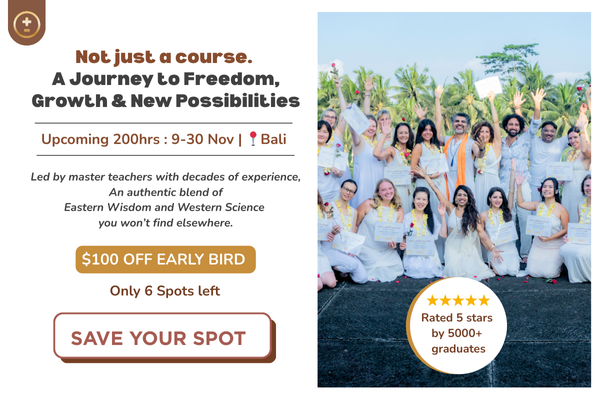
Ready to learn these positions directly from an ERYT-500 teacher trained in the Kaivalyadhama lineage? Our 200-Hour Yoga Teacher Training in Ubud, Bali has shaped over 15,000 graduates from more than 50 countries since 2011. Named “World’s Most Authentic Yoga Teacher Training” by OM Yoga Magazine.
Yoga New Vision Omham Retreats, Jl. Raya Sanggingan No.36, Kedewatan, Ubud, Bali 80517, Indonesia Contact: +62 821 4549 8596 | info@yoganewvision.com