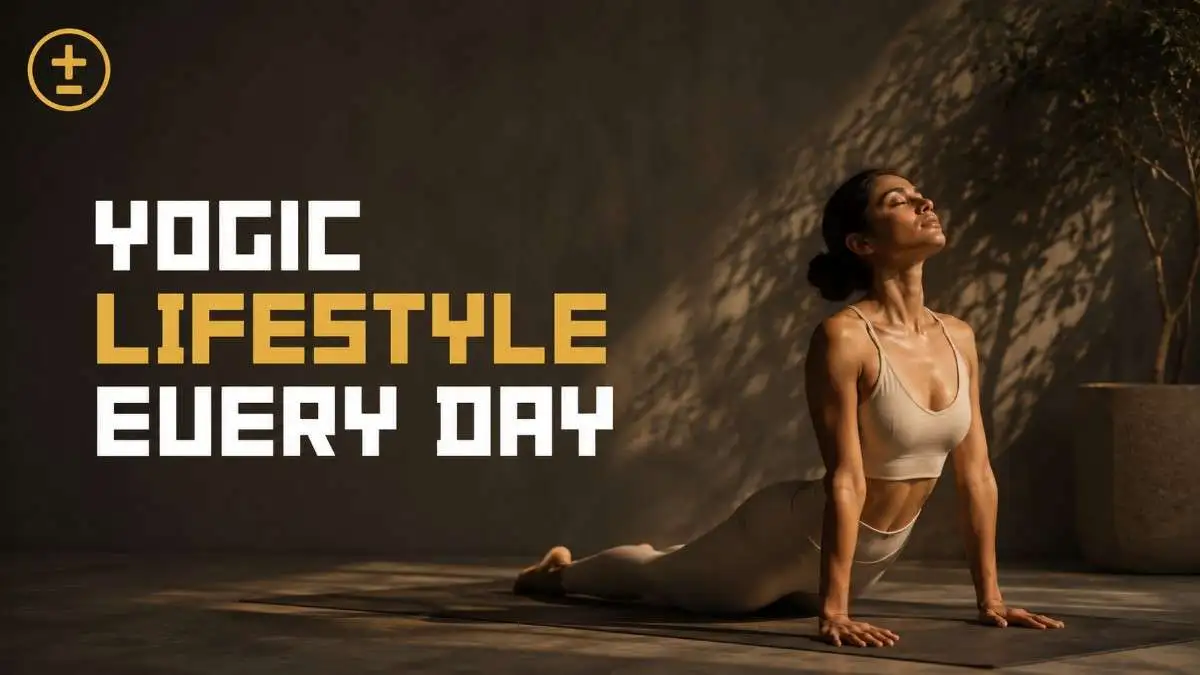
A yogic lifestyle is a complete daily system rooted in Patanjali’s Eight Limbed Path. It governs how you treat others (Yamas), how you treat yourself (Niyamas), how you breathe, what you eat, and how you rest. The mat is where many people begin. Life is where yoga is actually practiced.
Yoga Is Not About the Poses
I have been teaching yoga for 16 years. I have watched thousands of students walk into their first class thinking yoga is a fitness routine. Some of them become excellent at postures. A much smaller number actually become yogis.
The difference has nothing to do with flexibility or how many hours they spend on the mat. The difference is whether they take the practice into how they eat, how they speak, how they sleep, and how they breathe when something goes wrong at work.
Patanjali’s Yoga Sutras outline eight limbs. Asana, the physical posture practice, is the third limb. It comes after the ethical principles. That ordering is not an accident.
You Can Do Zero Downward Dogs and Still Live Fully Yogically
This tends to surprise people. The physical practice is preparation for stillness. It trains the body to sit, breathe, and be present without pain.
A person who wakes at Brahma Muhurta, practices Nadi Shodhana for 20 minutes, eats sattvic food, speaks with Satya, and goes to sleep before 10 PM is living a more yogic life than someone who attends three hot yoga classes a week and then eats fast food and scrolls their phone until midnight.
The Ethical Framework Comes First
Before the breath work, before the meditation, before the morning routine, there are the Yamas and Niyamas. Most Western practitioners skip these entirely. They are the reason so many people practice yoga for years and feel no real transformation off the mat.
The Yamas are five ethical restraints for how you engage with the world. The Niyamas are five personal observances for how you manage yourself. Together, they are the first two limbs of the Eight Limbed Path and the foundation that every other practice sits on.
| Limb | Sanskrit | English | Modern Application |
| YAMA | Ahimsa | Non-violence | How you speak to yourself when you fail |
| YAMA | Satya | Truthfulness | Sending the honest email you have been avoiding |
| YAMA | Asteya | Non-stealing | Respecting other people’s time as your own |
| YAMA | Brahmacharya | Energy conservation | Choosing where your attention goes |
| YAMA | Aparigraha | Non-attachment | Releasing outcomes after you have done the work |
| NIYAMA | Saucha | Purity | Keeping your space clean enough to think clearly |
| NIYAMA | Santosha | Contentment | Finding enough in where you are right now |
| NIYAMA | Tapas | Disciplined effort | Sitting for meditation even when you do not feel like it |
| NIYAMA | Svadhyaya | Self-study | Reading one verse of the Yoga Sutras before bed |
| NIYAMA | Ishvara Pranidhana | Surrender | Letting go of what you cannot control |
Why Most People Skip the First Two Limbs
The Yamas and Niyamas require nothing. No mat, no studio, no gear. They just require paying attention to how you are actually conducting your life. That is exactly why they are the hardest part.
At Yoga New Vision, the curriculum begins with a full module on these principles before students step onto the shala. The conversations that follow are consistently the most transformative of the 22 days.
Dinacharya: The Daily Routine That Actually Rewires You
Dinacharya means following the day. It is the Ayurvedic framework for structuring your routine in alignment with the body’s natural rhythms and the movement of the sun.
It is not a rigid checklist. It is a flexible template. The version I practice here in Ubud looks different from what a student in London or Sydney can manage. That is fine. Partial Dinacharya is still profoundly effective.
Brahma Muhurta: Why Yogis Wake Before Sunrise
The window between approximately 4:00 AM and 6:00 AM is called Brahma Muhurta. In Ayurveda, this is Vata time. The mind is lightest, most receptive, and least caught up in the noise of the day. Meditation at this hour takes noticeably less effort and produces more depth than the same practice at 8:00 AM.
I wake at 5:00 AM in Ubud. The air is cool, the birds are starting, and there is a quality of stillness that no other time of day has. Most of my students, by day 5 of training, start setting an alarm for 5:30 without being told to.
The Morning Sequence (Pratah Karma)
This is what a full yogic morning looks like. Adapt it to whatever your schedule allows.
- Wake during Brahma Muhurta, before sunrise
- Drink one glass of water from a copper vessel (filled the night before)
- Tongue scraping to remove overnight toxins (ama)
- Oil pulling (gandusha) with sesame or coconut oil for 10 to 15 minutes
- Pranayama: 20 minutes of Nadi Shodhana or Kapalabhati
- Seated meditation: minimum 20 minutes
- Light asana or Surya Namaskar
- Sattvic breakfast, eaten quietly if possible
If you can only do three of these: pranayama, then meditation, then copper vessel water. In that order.
Ratricharya: How You Close the Day
The evening routine is just as important as the morning one, and it is the one most people neglect. A warm sesame oil self-massage (abhyanga) before bathing settles the nervous system in a way no sleep supplement can replicate.
Eat a light sattvic meal before sunset if possible. Read something that feeds the mind rather than depletes it. Digital withdrawal 60 minutes before sleep is not optional for anyone serious about this path.
Breath Is the Real Yogic Tool
Every function of the autonomic nervous system is automatic except one. Breath. That is why pranayama is not just a mat practice. It is a portable nervous system regulator you carry into every meeting, every difficult conversation, and every traffic jam.
At Yoga New Vision, we integrate the Buteyko Breathing Method alongside classical pranayama. Buteyko addresses dysfunctional breathing patterns, specifically chronic mouth breathing and over-breathing, that quietly drive anxiety and poor sleep quality. Alexander Technique adds the postural dimension because you cannot breathe properly in a collapsed spine.
Students who commit to consistent pranayama practice show measurable improvements in Heart Rate Variability (HRV) within two weeks. HRV is the body’s readout for how well your vagal tone is functioning. Higher vagal tone means a more resilient autonomic nervous system. This is the science beneath what the Yoga Sutras already knew.
Can You Actually Live This Way With a Job and a Family?
Yes. And I want to say this clearly because a lot of wellness content makes people feel guilty for not waking at 4:30 AM and completing a three-hour morning practice.
The classical yogic tradition has a specific path for people with jobs, families, and responsibilities. It is called Grihastha Yoga. The householder’s path. The Bhagavad Gita was not spoken to a monk in a cave. It was spoken to a warrior on a battlefield. Conscious action in the world is itself a complete yoga.
The Fallback Routine for Real Life
There will be mornings when the full Dinacharya collapses. The baby cried all night, the flight was delayed, the deadline arrived early. When that happens, here is what I tell every graduate: drink the copper vessel water, sit for five minutes, and take three extended exhale breaths before your first meeting. That is enough to set a different intention for the day.
The habit my graduates maintain longest, across thousands of them, is not asana. It is five minutes of breath awareness in the morning. Start there.
One more thing. If waking at 4:30 AM causes you anxiety, you are violating Ahimsa. Sleep the extra hour. Yoga is not a productivity framework. It is a practice of honoring the body’s intelligence, not overriding it.
What 22 Days of Living Yogically Actually Does to a Person
When students arrive at Omham Retreats in Ubud for the 200-Hour Yoga Teacher Training, most have only ever practiced yoga on a mat. By day 7, I see a specific shift. They stop reaching for their phones in the morning. Their breathing slows. Their voices soften in conversation.
By day 14, the sattvic food, the pranayama, the meditation, and the absence of digital noise have produced something measurable. Sleep is deeper. Morning energy arrives without caffeine. Meditation stops feeling like a fight.
By day 22, most of them cry on the last morning. Not because it is ending, but because they have lived for 22 consecutive days in a way they did not believe was available to them. That reference experience is what they take home. When modern life pulls them off course, they know exactly what to return to.
If you want to experience this yourself, we offer a free 15-minute call to talk through whether the training is the right fit for where you are right now. No pressure, no commitment, real answers.
Frequently Asked Questions About Living a Yogic Lifestyle
-
What is a yogic lifestyle in simple terms?
A yogic lifestyle is a complete daily system built on Patanjali’s Eight Limbs. It includes ethical conduct (Yamas and Niyamas), a structured daily routine (Dinacharya), conscious breathing (pranayama), sattvic diet, and regular meditation. The mat is only one small part. Most of the practice happens in how you live each hour.
-
Do I need to become vegetarian to live a yogic lifestyle?
The classical tradition recommends a sattvic diet, which is primarily plant-based and freshness-focused. Meat is considered tamasic and dulls the mind. That said, Ahimsa begins with your internal world. A dramatic dietary shift that creates anxiety is not more yogic than a gradual, sustainable transition that your system can actually maintain.
-
What is Dinacharya and how do I start one?
Dinacharya is the Ayurvedic daily routine structured around the body’s natural energy cycles and the movement of the sun. Start with three habits: copper vessel water upon waking, five minutes of breath awareness before checking your phone, and eating your largest meal at noon. These three shifts alone produce observable changes within two weeks.
-
How is a yogic lifestyle different from mindfulness or wellness culture?
Mindfulness is primarily a cognitive tool. A yogic lifestyle is somatic, ethical, and behavioral. It governs what you eat, when you sleep, how you breathe, and how you treat others, not just how you observe thoughts. Wellness culture often commodifies these practices as self-care. A yogic lifestyle treats them as inseparable from daily conduct.
-
What are the most important Yamas and Niyamas for a modern person to start with?
Ahimsa and Santosha. Ahimsa because it governs your inner dialogue first, and most people are far more violent toward themselves than toward anyone else. Santosha because most modern unhappiness lives in the gap between what is and what we think should be. These two create the most immediate and measurable shift in daily experience.
-
Can I live a yogic lifestyle without going to an ashram?
Completely. The Grihastha (householder) tradition within classical yoga is specifically designed for people with jobs, families, and social responsibilities. The Bhagavad Gita’s central teaching is that conscious action in the world is itself a complete spiritual path. You do not need to renounce anything to begin practicing. Start where you are.
-
What time do yogis wake up and why?
The traditional prescription is during Brahma Muhurta, approximately 90 minutes before sunrise. At this time the mind is in Vata state: light, clear, and receptive. Meditation is significantly more effortful once the day begins and the mind is engaged with the world. Waking even 30 minutes earlier than usual creates a measurable shift in daily mental clarity.
-
How does pranayama fit into daily yogic living outside of a yoga class?
Pranayama is the most portable tool in the entire yogic system. Extended exhale breathing activates the vagus nerve and shifts the autonomic nervous system from sympathetic to parasympathetic. Three extended exhale breaths before a difficult conversation, a presentation, or a meal fundamentally changes how your nervous system enters that experience.
-
Is a yogic lifestyle religious?
No, though it is deeply philosophical. The ethical principles draw from ancient Indian wisdom but do not require belief in any deity. Many practitioners engage with the spiritual dimension through Ishvara Pranidhana (surrender to something larger than the ego). Others practice the system entirely as a physiological and psychological discipline with equally valid and measurable results.
-
How long does it take to feel the effects of living a yogic lifestyle?
Consistent pranayama practice shows measurable nervous system changes within two weeks. Dinacharya routines stabilize sleep and energy within 10 to 14 days. The deeper shifts in perspective and emotional reactivity typically emerge between three and six months. At our 22-day training in Ubud, most students feel the first real shift by day 7.
About the Author Deep Kumar | Founder, Yoga New Vision | ERYT-500, Yoga Alliance America | Registered Master Teacher Trainer, International Yoga Federation Europe | 16 years of teaching | 15,000+ graduates | Trained in the Kaivalyadhama lineage | Developer of Physio Yoga Therapy and Deep Conscious Vinyasa | Based in Ubud, Bali, Indonesia