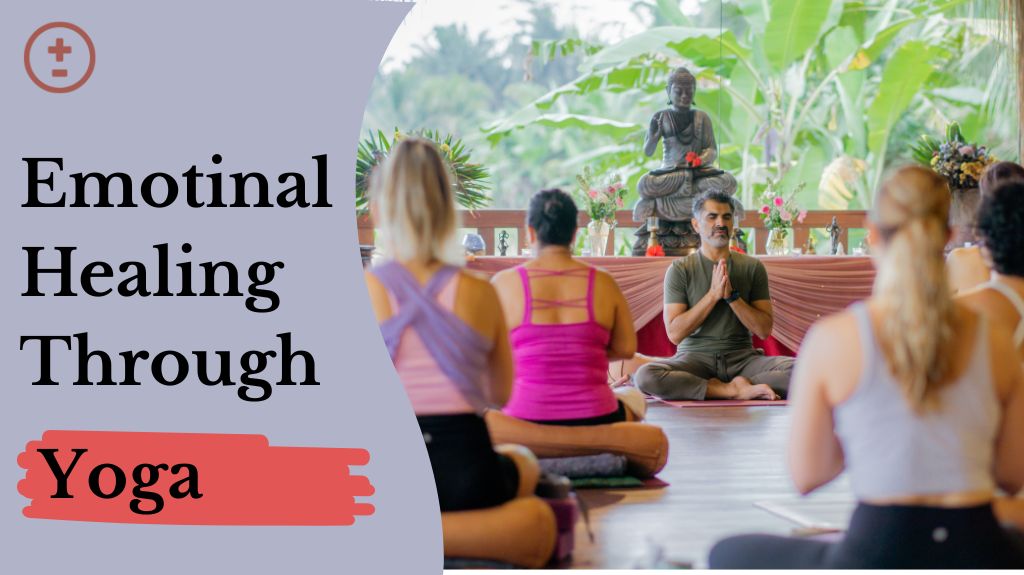
We all have been in situations where our emotions got the better of us. Many times, it becomes rather challenging to control and regulate them. It is during these times that we often tend to turn to external regulators to find an anchor or an escape. Whatever be the escape mechanism, it only provides temporary relief, leaving us back in the same emotional state. Stress, anger, sadness, anxiety, boredom, dullness, etc., can force us to reach out to unhealthy and superficial agents of relief like alcohol. However, it is mostly these escape mechanisms that also lead to addiction. So, if you do feel the need to regulate and get a hold of your emotions, why not opt for something that is healthy for you? The ancient Indian practice of yoga can help you do that.
You must have heard that practising yoga regularly can bring physical, mental and emotional well-being. If yes, you have heard it right. Yoga may not heal anxiety, clinical depression or other mental health issues, but it can surely make dealing with them a lot easier. Yoga can also change the way you connect with your emotions, bringing enhanced balance in your emotional processes and ultimately making you emotionally stronger. Many people who explore yoga more deeply through a yoga teacher training course or even join a yoga teacher training in bali often notice this shift more clearly. Yoga makes you more self-aware, helping you be more objective about how and what you feel rather than being judgmental about your emotions.
In this blog, we will show you how yoga can help you in emotional healing.
Understanding Emotional Healing
Emotions are complex, and so is the healing process. It may take different individuals different amounts of time to heal, depending on the type and intensity of emotional scarring they are dealing with. Emotional healing usually happens in stages, and understanding them can make it easier to deal with the trauma.
Studies have indicated that trauma and emotional upheaval can have very physical manifestations. It has been noticed that people who have faced emotional trauma often experience physical pain, fatigue and tiredness, making their daily lives more challenging. People with Post Traumatic Stress Disorder also complained of similar physical symptoms. Yoga is believed to be a great healer in regulating such emotional situations. Even meditation helps.
It has been clinically shown that emotional healing happens in five stages. These include:
- Denial
- Anger
- Bargaining
- Depression
- Acceptance
If and when you accept your condition of being emotionally unwell, you can start your journey of emotional healing, which happens in 7 stages. These include:
- Awareness
- Acknowledgement
- Acceptance
- Feeling the pain
- Grieving
- Forgiveness
- Moving forward
Once you go past these stages, you can move towards healing, which becomes visible in you being more self-aware, developing better relations, feeling more resilient and better physical and mental health. Yoga contributes majorly here.
The Yogic Perspective on Emotions

In yoga, emotions are seen as energy. They move through the body and the mind. Ancient yoga explains this through the chakra system. We have 7 chakras located along our spine. Every chakra is an emotion or is believed to be linked to one:
- Root Chakra – Fear and safety
- Solar Plexus – Confidence, control, and anger
- Heart Chakra – Love, compassion, and grief
Balanced emotions mean an easy flow of energy. When they are blocked, emotions can feel heavy or overwhelming. Yoga postures, breathing practices, and meditation help release these blocks.
The Yoga Sutras of Patanjali offer a simple way to understand emotions. Patanjali defines yoga as calming the fluctuations of the mind. In this view, emotions are waves in the mind—they rise and fall. Yoga does not ask us to suppress them but teaches us to observe them. Over time, the mind becomes steadier, and emotions feel less controlling.
How Yoga Supports Emotional Healing
Our lives are full of challenges, and it requires emotional resilience to navigate them. Yoga is one of the most effective ways to build that resilience and support emotional healing. The stress, anxiety, and setbacks we face can impact our emotional state, making it important to restore balance.
Yoga not only offers physical wellness but also brings emotional stability. Through regular practice, you begin to notice changes in how you respond to situations. Breathwork, meditation, and mindful movement help align mental peace with emotional strength.
Practices like pranayama are especially helpful. Extended exhale breathing can calm the mind, while techniques like box breathing can uplift your mood. These small practices create a strong foundation for emotional balance.
Key Yoga Practices for Emotional Balance

Emotions often manifest physically in the body. Tightness, fatigue, restlessness, or heaviness are common signs. Yoga helps release this stored tension through different movements and awareness.
Each yoga position works differently on the body and mind. Gentle forward folds calm the nervous system, while hip openers help release deep-seated emotional tension. Heart-opening poses uplift your emotional state and bring a sense of openness.
Child’s Pose helps create a sense of safety and calm. Seated Forward Bend encourages introspection and mental clarity. Hip openers like pigeon pose release stored emotions, while heart openers like bridge pose activate positive emotional responses.
Integrating Yoga Into Emotional Healing Routines

Start small. You don’t need long sessions—just 10–15 minutes daily can help. Begin with simple asanas, followed by breathwork and a few minutes of stillness.
Consistency matters more than intensity. This is where yoga and discipline become essential. A regular routine builds trust between your mind and body, helping you stay balanced even during emotional ups and downs.
Over time, yoga becomes part of your daily life. You start noticing your breath during emotional moments and responding with more awareness.
Returning to Yourself — The True Gift of Yoga
The true gift of yoga is the connection you build with yourself. Whether it is physical strength, mental clarity, or emotional balance, yoga supports all aspects of your well-being.
It is not about perfection but about awareness and growth. Yoga brings your body, mind, and emotions into alignment, creating a sense of harmony. This harmony leads to better relationships, improved resilience, and a deeper sense of peace.
With time, you become more accepting, more present, and more connected to your inner self. That is where real healing begins.
FAQs
How long does it take to experience emotional healing through yoga?
Yoga is a personal experience. Some people notice changes quickly, while for others it takes time. Consistency plays a key role.
Which yoga poses are best for releasing suppressed emotions?
Hip openers, heart openers, and grounding poses like child’s pose are highly effective in releasing stored emotions.
Is it normal to cry or feel emotional during yoga practice?
Yes, it is completely normal. Yoga helps release deep emotions, and this may sometimes lead to tears or emotional responses.
What type of yoga is best for emotional healing?
Restorative, Yin, and gentle Hatha yoga are commonly recommended, but the best approach is the one that feels right for you.
Can emotional healing through yoga help with anxiety or trauma?
Yes, yoga helps regulate the nervous system, making it easier to manage anxiety, stress, and emotional trauma.