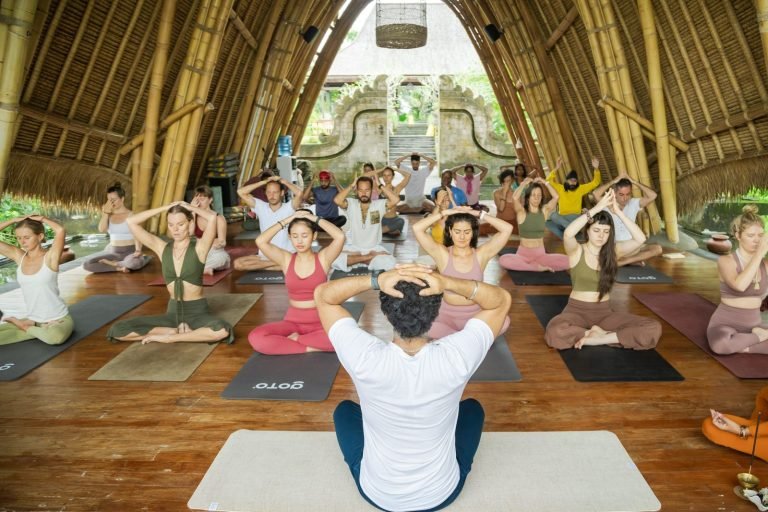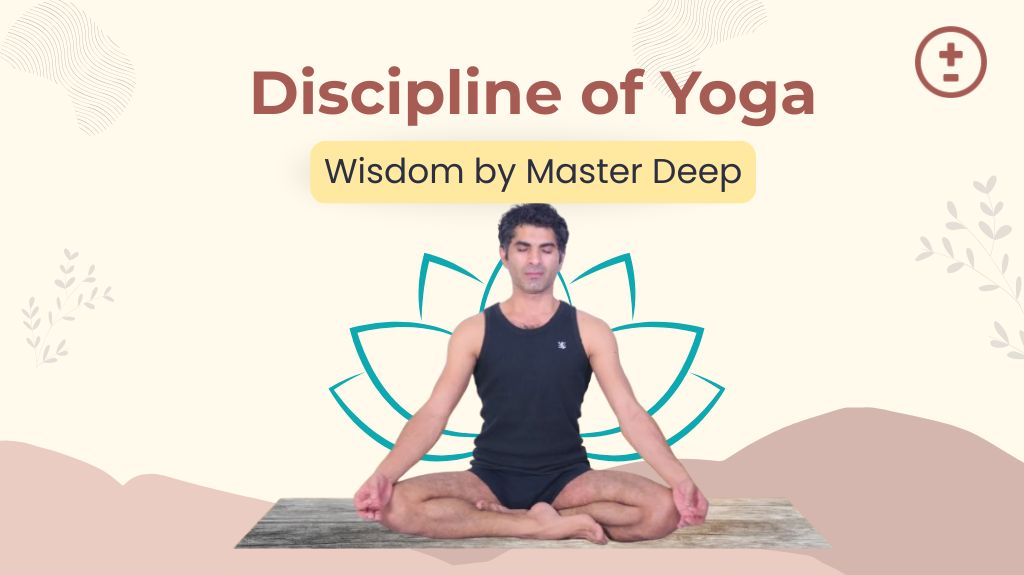
Most of us understand discipline as a strict routine, a systematic way of living life with rules and regulations. However, discipline in yoga is not the same. It is more about striking a balance and achieving a sense of harmony between the mind, body and soul. In the context of yoga, discipline becomes a powerful tool for self-transformation through intent-driven practice, helping you gain control over your thoughts and actions while prioritizing physical, mental and emotional well-being. This is where the true meaning of yoga and discipline comes into play.
Most commonly, such disciplined living is referred to as ‘tapas,’ a Sanskrit word for self-discipline, inner fire, and commitment that purifies the mind and body. It is about overcoming the external challenges that restrict you from following your practice through self-restraint and building physical and mental endurance. Tapas, or discipline in yoga, prepares you better to face life’s challenges and helps you develop a focused mindset, eventually leading to personal growth.
As a yoga trainer who has studied the nuances of yoga in some of the most prestigious schools, I learned to combine modern approaches with traditional wisdom. My journey, including my experience in a structured yoga teacher course, helped me develop both curiosity and creativity, allowing me to look at yoga as more than just physical fitness. It helped me understand how yoga impacts our lives at deeper levels—mentally, emotionally, and spiritually.
Whether it’s postures, breathing techniques, philosophy, meditation, or anatomy, I teach yoga as a journey of self-discovery. It has helped my students look beyond the surface and reconnect with their true selves, while also bringing joy and balance into their lives.
Discipline in yoga, for me, is about simplifying life through consistent and mindful practice. It goes beyond routine and becomes a pathway to healing and inner clarity.
Understanding the Discipline of Yoga
Discipline in yoga is all about the commitment you make to your inner self. It is built through consistency and persistence, often referred to as Sadhana, which helps develop self-control, mindfulness, and a meditative mindset. This discipline is not forced—it grows gradually through regular practice and awareness.
Discipline in yoga can be seen as a tool for:
- Being more aware by focusing on body and breath
- Committing to regular practice
- Enhancing mental and physical efforts
- Improving self-regulation
The best way to maintain discipline includes:
- Creating and following a daily routine
- Practising consistency
- Setting realistic goals
- Building a supportive environment
- Living a mindful life beyond the mat
The same principle applies to your yoga journey. Progress doesn’t happen overnight—it builds step by step through consistent effort.
The Six Disciplines of Yoga
The essence of yoga is to create a harmonious union between your mind, body and soul. It is about connecting with yourself and the universe at a deeper level.
There are different paths in yoga, each offering a unique approach:
- Raja Yoga focuses on mental control through meditation and awareness.
- Hatha Yoga balances energies through physical practice and breathwork.
- Jnana Yoga encourages self-inquiry and deep understanding.
- Bhakti Yoga is based on devotion and emotional connection.
- Karma Yoga focuses on selfless action without attachment.
- Mantra Yoga uses sound and vibration to calm the mind.
Each path may differ, but all aim toward the same goal—inner balance and awareness.
The YNV Perspective on Yogic Self-Discipline
At Yoga New Vision, we don’t just teach yoga—we guide students to live it. Our teaching blends traditional Indian wisdom with modern scientific understanding, helping students experience both physical and spiritual growth.
We focus on practices like asanas, meditation, breathwork, and philosophy, while also explaining their scientific aspects such as anatomy and alignment. This approach helps students understand not just how to practice, but why it works.
Whether you are learning a simple yoga position or exploring deeper practices, our goal is to help you integrate yoga into daily life with awareness and discipline.
The Role of Daily Routine and Awareness
Daily routine plays a crucial role in maintaining balance. It brings structure, reduces stress, and improves focus.
Awareness, on the other hand, helps you stay mindful of your actions, thoughts, and emotions. When combined, routine and awareness create a stable foundation for both personal and spiritual growth.
Challenges in Maintaining Yoga Discipline
Yoga is a journey of self-discovery, but it requires consistent effort. Challenges are a natural part of this journey.
Internal challenges include self-doubt, lack of motivation, and distractions. External challenges may involve time constraints, lack of guidance, or physical limitations.
Overcoming these challenges requires patience and consistency. Focus on progress rather than perfection, and stay connected to your purpose.
Benefits of Living a Disciplined Yoga Lifestyle

Modern life often pulls us in many directions, affecting both mental and physical health. A disciplined yoga lifestyle helps restore balance.
Physical benefits include improved strength, flexibility, and overall health. Regular practice also supports heart health and boosts immunity.
Mental benefits include reduced stress, better focus, improved sleep, and greater emotional stability. Over time, this leads to increased self-awareness and inner peace.
Final Reflections from YNV Master Teacher Deep Kumar
Yoga is not just exercise—it is a way of life. It transforms not only your body but also your mind and emotions. However, it requires consistency, patience, and dedication.
The results may take time, but they are lasting. With discipline and awareness, yoga becomes more than a practice—it becomes a way of living with clarity, balance, and purpose.
FAQs
How does discipline contribute to spiritual growth in yoga?
Discipline helps build consistency in practice, which increases awareness and supports spiritual growth.
Can disciplined yoga practice improve focus and mindfulness?
Yes, regular practice enhances mental clarity and helps you stay present.
What lifestyle changes support a disciplined yogic journey?
Reducing distractions, maintaining a routine, and focusing on steady progress can help.
What are the long-term benefits of disciplined yoga practice?
It improves physical health, emotional stability, and overall well-being.
What makes YNV Yoga’s approach different?
Yoga New Vision focuses on combining traditional wisdom with modern science, helping students experience yoga beyond just physical practice.