Since ancient times, knowledge in India has been passed on through oral teachings. The same was the case with yoga, when yogis residing in jungles passed on the practices and knowledge gained to their disciples through verses and live examples. It was only during the Vedic period (1500 BCE) that the term yoga first appeared in a documented ancient text – the Rig Veda. In 200 BCE, Patanjali’s Yoga Sutras described the 8 Limbs of Yoga comprehensively, making it one of the most popular yoga-related texts. Another equally important ancient text, considered widely amongst the yoga community, is the Sanskrit text Hatha Yoga Pradipika. A 15th-century manual on Hatha yoga, Hatha Yoga Pradipika, is believed to have been compiled by A Nath sect yogi, Swami Swatmarama, who wrote from his own experience while also incorporating references from the Vedas and the teachings of his Gurus.
What is Hatha Yoga Pradipika About?
Hatha Yoga Pradipika, often translated as Light on Hatha Yoga, is one of the three main ancient texts on Hatha yoga. The other two include Gheranda Samhita and Shiva Samhita, believed to have been written before Hatha Yoga Pradipika. As the title suggests, it talks about an illuminating power that guides us all. It also highlights that each one of us has this illuminating power that guides and directs us towards the right path. By practising well, we can enlighten our senses to gain better control over our lives.
The text contains 389 shlokas and sutras in four chapters that detail different practices, including Asana (posture), Pranayama (breath control), Chakra (the body’s spiritual centres), Kundalini (divine feminine energy), Bandha (the locks of energy), Nadi (the body’s subtle channels) and Mudra (the energy seals). This is often also described as the 6 Limbs of Hatha Yoga, similar to Patanjali’s 8 Limbs of Yoga.
These include:
Chapter 1:
- A 67-verse chapter with 2 verses dedicated to Yama and Niyama and the rest to Asanas.
- Defines that the real purpose of this compilation is to attain Raja Yoga.
- Lists down the names of some of the great proponents of Hatha yoga before Swatmarama. These include Matsyendranath, Goraknath, etc.
- ·Charts out the ways to succeed in doing yoga, the ethics of doing it and more.
- Describes different asanas, their importance, benefits, how to do them, type of food to eat, and a lot more.
Chapter 2:
- A 78-verse chapter, dedicated solely to Shatkarma & Pranayama.
- Introduces the importance of Nadi cleansing and Pranayama and how to perform it.
- Explains in detail about cleansing, including cleansing the food pipe, small and large intestine, nasal passage, etc.
- Defines how to do Kapal Bhati.
- Describes 8 specific types of Pranayamas and how to do them.
Chapter 3:
- A 130-verse chapter that dedicates 100 verses to Mudras & Bandhas. The rest describe kundalini.
- Begins with introducing these concepts and the importance of awakening the Goddess Kundalini.
- Describes the different mudras like the Maha Mudra, Maha Bandha, Triveni, Maha Vedha, Khechri Mudra, Uddiyana Bandha, Mula Bandha, and Jalandhar Bandha, etc. It then describes the powers these mudras provide to the yogi.
- It further lists and describes different mudras that are important for Kundalini arousal. These include Viparita Karani, Vajroli, Sahajoli, Amaroli, and Shakti Chalana.
Chapter 4:
- A 114-verse chapter, completely dedicated to Samadhi. It also describes the concepts of Nadis and God.
- It also describes Nada, Bindu, & Kala, calling them the highest level of bliss.
- Samadhi is described with different analogies, why it is important for a Guru to attain Samadhi and the subtle signs of Prana flow when someone is about to attain Samadhi.
- It also describes the role of breath and the mind and how controlling these two can lead to Moksha.
- Also outlines the 4 stages of any yoga, characterized by Aarambh (beginning), Ghata (vessel, stage), Parichaya (known) and Nishpatti (consumption).
What Are the Main Goals of the Hatha Yoga Pradipika?
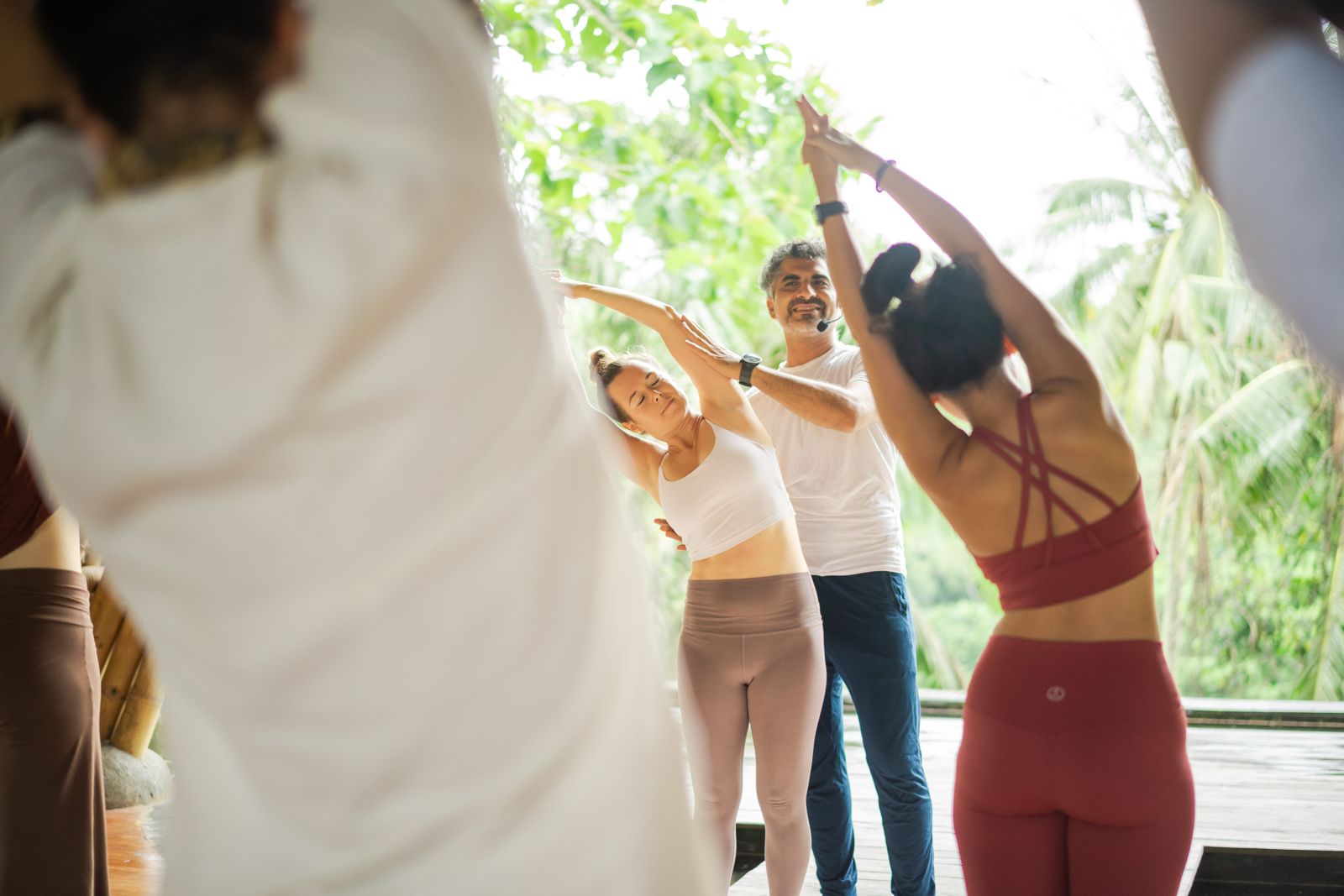
The main goal of Hatha Yoga Pradipika is to highlight the physical disciplines and Hatha yoga practices and work towards the path of higher attainment – Raja Yoga. Swatamarama outlines the relationship between Hatha Yoga and Raja Yoga, calling Hatha the path towards Raja Yoga, as it deals with the physical aspects of the human body. Raja Yoga, on the other hand, is more about controlling the mind. Swatamarama propagates that once a yogi gains control of Hatha by mastering Prana, the bodily energy gaining control over the mind becomes relatively easier.
He also suggests that the ultimate goal is to attain Moksha, which can be done through 7 stages, including Purification (Shatkarma), Strength (Asana), Steadiness (Mudra), Calmness (Pratyahara), Lightness (Pranayama), Right Perception (Dhyana), and Isolation (Samadhi).
Swatamarama further prescribes that Hatha Yoga’s main aim is to balance out opposite energies. Hatha helps in balancing Prana flow in Ida and Pingala, which results in the opening of the Kundalini, ultimately making it possible to traverse towards the higher Chakras.
He finally describes the ideal conditions that a yogi must master to realise the full potential of Hatha yoga. He also charts down the causes and processes that can disrupt or destroy the practice.
How to Practice According to Hatha Yoga Pradipika?
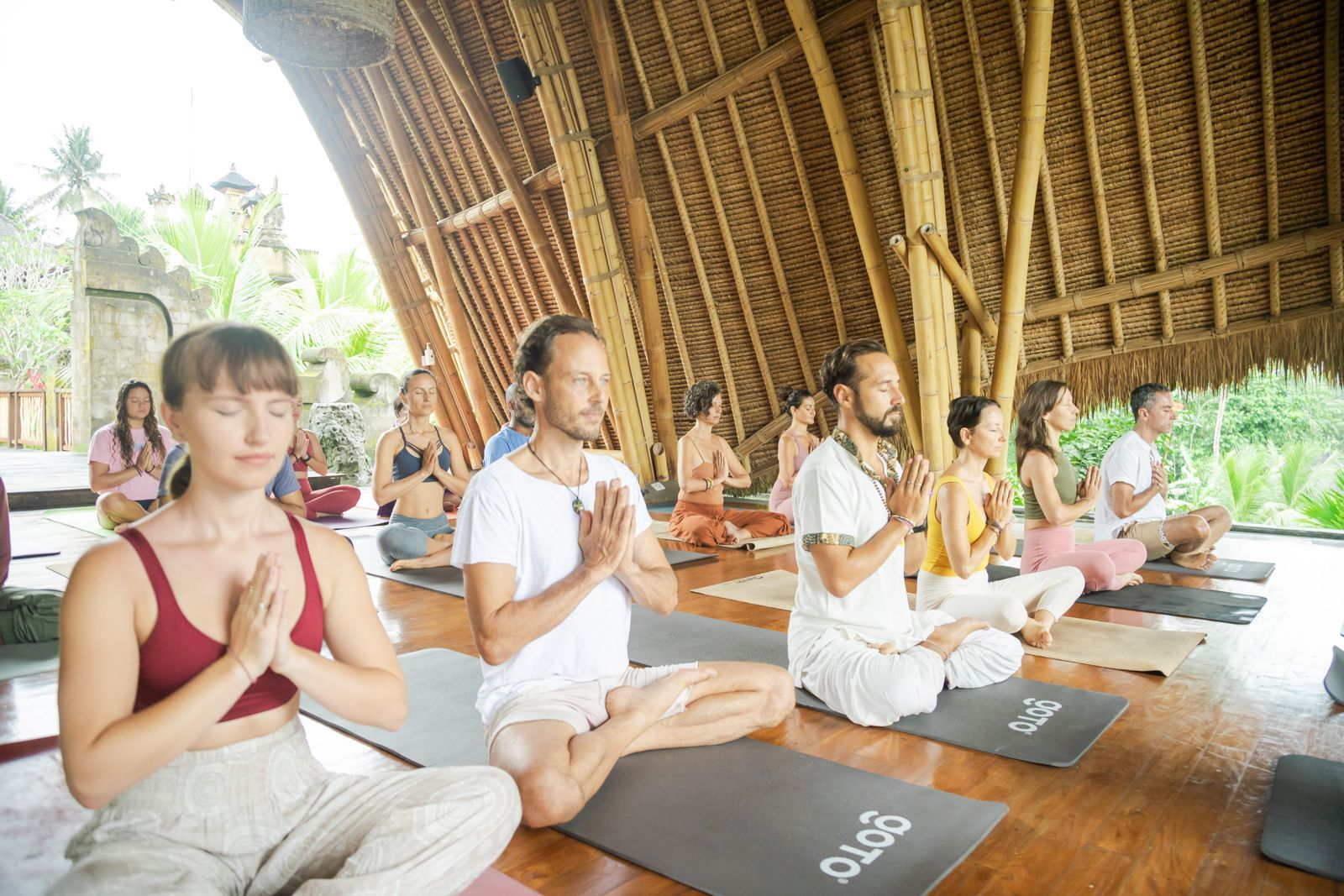
A majority of this ancient text is dedicated to the 6 techniques of Hatha yoga, including Asana (posture), Pranayama (breath control), Chakra (the body’s spiritual centres), Kundalini (divine feminine energy), Bandha (the locks of energy), Nadi (the body’s subtle channels) and Mudra (the energy seals).
Swatamarama begins with introducing Asana, which he describes as the first stage of controlling the body, making it more flexible, firm and devoid of diseases. He then moves to Pranayama, a regulated breathing exercise that controls the Prana and other bodily energies that control the mind.
The second chapter is dedicated to ways and remedies of removing excessive mucus in the body, which can be removed using the six purification techniques, called the Shatkarma. These techniques include Neti, Dhauti, Nauli, Basti, Kapalbhati and Trataka. Along with Pranayama, these six techniques help purify the energy flows, allowing Prana to move through to the higher Nadis.
The subtle energy system of the body is the main focus of the third chapter, and how to practice Mudras and Bandhas. He emphasises that using these two allows bettering channelising of the bodily energy, letting them flow into the main energy channel, the Sushuma. This energy runs from the top to the bottom of the spine, interacting with all Chakras. He further describes Mudras and Bandhas. Mudras are complicated body movements done in combination with Asana, Pranayama, Bandha and Visualisation. Bandhas, on the other hand, emphasise a group of body parts, especially the pelvis, the throat and the abdomen. It locks the energy flow inside the torus. He advises that these two are difficult and challenging practices to master, and one must move on to doing these once they have mastered the art of Asana and Pranayama.
The fourth chapter details how to attain the higher motive – the enlightenment or Samadhi. He says that having a fit body and mind is important to attaining Samadhi. Once a yogi reaches that space, he will hear a peculiar sound – the Pranava, also described as the sound of the universe.
The four chapters in Hatha Yoga Pradipika are arranged in the manner one must practice Hatha Yoga. If you follow these steps, it is the ideal way to do the prescribed version.
Conclusion
Hatha Yoga Pradipika, in the tradition of passing on the knowledge, is an important ancient text that has managed to immortalise valuable information about Hatha yoga. Today, we can refer to this text any time to understand the teachings and inculcate them better in our practice. If not for this text, a lot of what Hatha yoga is would have been lost in time. A compilation of what Hatha yoga is, its teachings, its main aim and how to practice it to get the most out of it, constitutes this text. The writings are a definitive way of achieving the higher atonement of Raja Yoga, of enlightenment and Moksha. These are considered to be the highest forms of what humans can achieve, and Hatha Yoga Pradipika shows the way to that path.