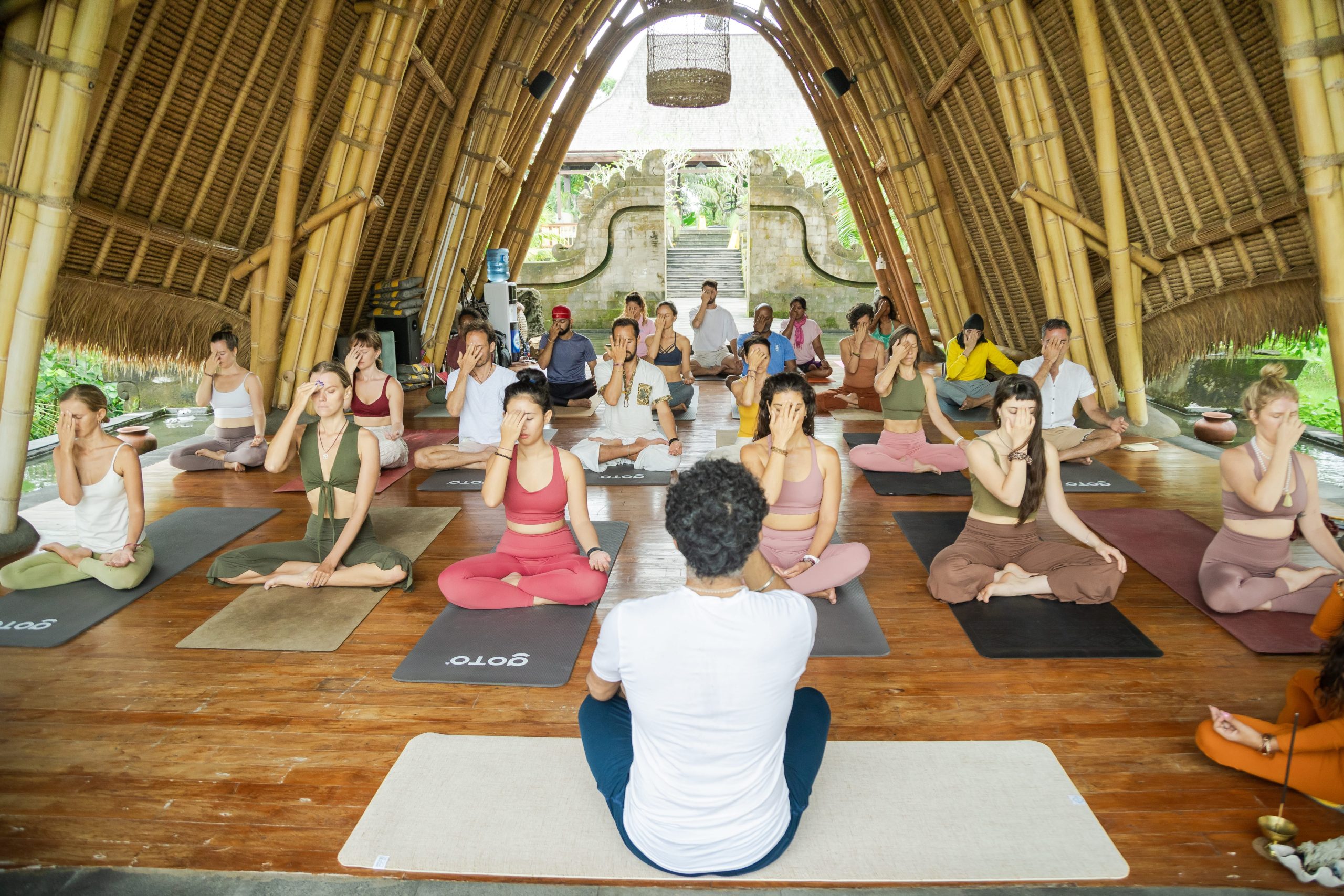
Breath — The Mirror of the Mind
When the breath flows through one nostril, you are living in half of your being. When both flow in harmony, you live as a whole.
The yogis called this inner rhythm Svara — the sacred sound of the breath. It is not only air moving through the nose; it is the movement of consciousness itself. Every change in emotion, thought, and energy has its signature in the nostrils.
“The one who knows the secret of Svara knows the secret of life.” — Shiva Svarodaya
The Two Currents of Life
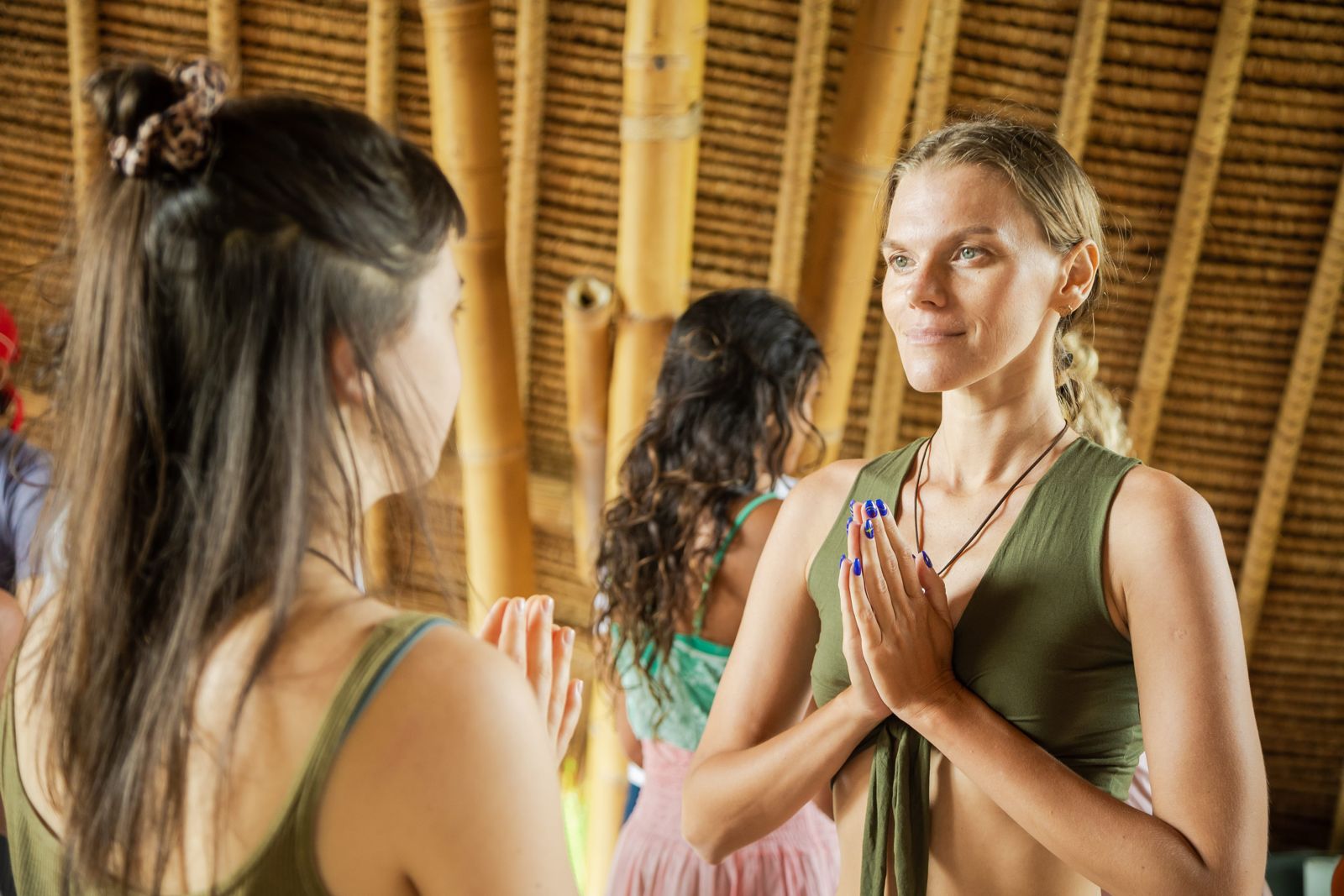
Within each of us flows a solar and a lunar river — Pingala and Ida, the twin currents of life.
Pingala, the right nostril, carries the sun’s energy — active, fiery, sharp, and focused. It awakens discipline, clarity, and willpower.
Ida, the left nostril, carries the moon’s energy — gentle, cool, nurturing, and inward. It awakens intuition, rest, and compassion.
The balance of these two energies determines the balance of our mind, health, and destiny.
When one dominates for too long, imbalance begins:
• Too much Pingala brings anger, tension, and burnout.
• Too much Ida brings dullness, confusion, and inaction.
When they unite in equilibrium, the central channel, Sushumna, opens — the pathway of higher awareness.
The Natural Flow of Svara

Every 60–90 minutes, the breath naturally switches sides — this is the Svara cycle. This alternation reflects the universal law of polarity: everything in life pulsates between action and rest, day and night, giving and receiving.
“When breath flows equally in both nostrils, the yogi enters the path of liberation.” — Hatha Yoga Pradipika, II.4
This moment — when both nostrils breathe evenly — is precious. It’s when Sushumna Nadi opens, and meditation flowers naturally. That’s the perfect time to sit, be silent, and allow stillness to deepen.
Living in Harmony with Your Breath
The ancient seers observed that the dominant nostril can guide our daily actions. They mapped it into a living art called Svara Yoga — not superstition, but energetic wisdom.
| Activity | Ideal Nostril | Effect |
|---|---|---|
| Eating, studying, physical work, decision-making | Right (Pingala) | Brings alertness, fire, and focus |
| Sleeping, meditation, artistic expression, nurturing | Left (Ida) | Brings calmness, emotion, and depth |
Balancing Ida and Pingala
When life feels chaotic, it is not the world — it is the breath out of tune. Balancing the two nadis is the heart of yoga.
Practical Steps for Modern Yogis
- Observation Before Control :
Sit quietly for a few breaths. Feel which nostril is dominant. Awareness itself begins to harmonize energy. - Switch the Flow :
• To activate Ida (left): Lie on the right side, or do gentle cooling breaths (Chandra Bhedana).
• To activate Pingala (right): Lie on the left side, or practice warming breaths (Surya Bhedana). - Daily Balancing Practice — Nadi Shodhana :
Alternate Nostril Breathing balances hemispheres, clears energy channels, and restores calm clarity. Just 5 minutes daily can transform your emotional and mental balance. - Begin All Pranayama with the Left Nostril :
The left is lunar — it purifies and cools the system, preparing the body for the awakening of the inner fire.
Sama Svara — The Balanced Breath
The moment when both nostrils flow equally is called Sama Svara, or the middle breath. It symbolizes the merging of dualities — masculine and feminine, effort and ease, body and spirit.
During Sama Svara:
- The mind becomes still without effort.
- The heart feels wide open yet silent.
- Awareness shifts from doing to being.
This is Sushumna awakening — not mystical fantasy, but the natural alignment of a quiet mind with a balanced nervous system.
“When the two breaths unite in the central channel, the yogi transcends duality and realizes the eternal.” — Shiva Svarodaya, Verse 36
The Psychology of Breath
From a modern lens, the yogic nadis reflect the autonomic nervous system:
-
- Pingala activates the sympathetic (fight or flight) response.
- Ida activates the parasympathetic (rest and repair) system.
Through pranayama, we don’t escape stress — we become skillful in balancing it. This is emotional intelligence at its subtlest level — awareness of breath leading to awareness of life.
Every conscious breath rebalances the brain, calms the heart, and restores clarity. It is mindfulness in motion — the meeting of ancient mysticism and modern neuroscience.
In Essence
| ASPECT | PINGALA (SOLAR) | IDA (LUNAR) |
|---|---|---|
| Nostril | Right | Left |
| Energy | Active, heating | Passive, cooling |
| Quality | Logic, focus, action | Emotion, intuition, rest |
| Element | ???? Fire |
???? Water |
| Ideal Activities | Work, study, movement | Meditation, rest, creation |
| Imbalance | Anger, restlessness | Laziness, confusion |
| Balancing Practice | Nadi Shodhana | Nadi Shodhana |
The mastery of pranayama begins with this — knowing how to balance the two wings of breath.
Living Between the Breaths
When you live from this awareness, every inhalation becomes a conscious entry into life, and every exhalation a graceful return to silence. This is yoga — not an act of doing, but the art of balancing the forces that do.
“Sama vayu sthito yogi, na bhavet bandha mohitah.”
When the breath flows evenly, the yogi is freed from the bondage of illusion. — Shiva Svarodaya
With Reverence
This reflection draws from the ancient wells of the Hatha Yoga Pradipika, Gheranda Samhita, and the luminous teachings of Guru Gorakhnath — translated into the living language of modern yoga.
With deep gratitude to Osho for his revolutionary work *Yoga: The Alpha and the Omega*, and his vision to unite East and West — bridging ancient wisdom and modern science, turning meditation into a living celebration.
With heartfelt respect to Gregor Maehle whose integration of spirituality and scientific precision has inspired deeper understanding and practice.
And with acknowledgment to Dr. Konstantin Buteyko, whose pioneering breathing research revealed the physiological foundation of conscious breathing and retention.
May the union of Ida and Pingala not remain philosophy but become a lived reality — in the way you breathe, speak, and move through the world.
From my heart to yours,
Deep Yoga Mitra
Yoga New Vision