Table of Contents
Toggle10 Root Chakra Healing Techniques to Connect with Your True Self
The 10 root chakra healing techniques proven to restore Muladhara balance are: grounding yoga poses (Malasana, Warrior I, Tadasana), LAM mantra chanting, barefoot earthing, diaphragmatic breathwork (Nadi Shodhana, Anulom Vilom), red visualization meditation, somatic affirmation pairing, Abhyanga self-massage, crystal healing with black tourmaline or red jasper, mudra and color ritual, and conscious time in nature.
These techniques engage the nervous system and can surface stored somatic and emotional patterns. They are not a replacement for clinical trauma therapy or medical treatment. If you are experiencing acute anxiety, physical pain, or emotional dysregulation, consult a qualified healthcare professional before beginning intensive chakra work.
What Is Your Root Chakra Actually Telling You When Life Feels Unstable?
The Muladhara, your root chakra, sits at the base of the spine and governs your survival instincts, your physical sense of safety, your relationship to financial security, and your felt experience of belonging inside your own body.
When it is functioning correctly, you feel purposeful, grounded, and recognizably yourself. When it is blocked, that disconnection is not a mindset failure. It is a signal from the first chakra in the seven chakra system, and it is asking to be addressed at the source.
How Do You Know If Your Muladhara Is Blocked Right Now?
Most people experiencing root chakra imbalance are not searching chakra content. They are searching for reasons behind their chronic anxiety, their inability to feel settled, or their growing sense that they have lost the thread of who they actually are. Both searches lead here.
The Physical Symptoms Most People Blame on Stress but Are Actually Root Chakra Signals
Chronic lower back pain, persistent fatigue, constipation, compromised immunity, and disrupted sleep are the body’s consistent indicators of Muladhara disruption. The root chakra governs the adrenal glands, the skeletal base, and the lower spinal region. A disruption in this energy center has clear physiological correlates, and treating only the symptom without addressing the underlying imbalance produces temporary relief at best.
The Emotional Patterns That Quietly Signal a Disconnected Root
Persistent financial fear, a felt sense of not belonging, emotional numbness, procrastination that feels almost physical, and a pervasive awareness that you no longer feel like yourself: these are not character flaws. They are emotional symptoms of a disconnected Muladhara, and they respond to direct, targeted root chakra healing work.
10 Root Chakra Healing Techniques That Create a Real Shift
A wellness app will temporarily soothe a symptom. It will not rewire your nervous system, restore somatic security, or reconnect you to your authentic self. These 10 techniques, sourced from classical Vedic tradition and integrated into Yoga New Vision‘s Yoga Alliance certified curriculum since 2011, produce compounding change when practiced correctly and consistently.
Grounding Yoga Poses: The Asanas That Anchor Muladhara From the Ground Up
Malasana, Uttanasana, Utkatasana, Warrior I, Warrior II, Vrksasana, and Bridge Lifts form the primary root chakra asana sequence. The priority in each pose is not depth of flexibility but conscious physical connection to the earth through the feet, legs, and pelvis. Breathe through physical sensations in the lower body throughout each hold.
LAM Mantra Chanting: Why This Specific Frequency Activates Root Energy
“Lam” is the bija (seed) mantra assigned to the first chakra in classical Vedic tradition. Drawing it out, “lllllaaaammm,” creates a vibrational resonance at the base of the spine that activates the Muladhara energy center directly. Chanting it repeatedly while holding a grounding asana produces a somatic activation that no amount of reading about it can replicate.
Barefoot Earthing (Grounding): The Somatic Science of Healing a Blocked Root
Walking barefoot on grass, soil, or sand creates direct energetic contact between the feet and the earth element, which is the governing element of the root chakra. This is not a metaphor. Vedic tradition prescribed physical earth contact as the most direct route to Muladhara restoration long before modern grounding research documented the same physiological principle.
Diaphragmatic Breathwork: How Pranayama Resets the Nervous System at the Root
Nadi Shodhana and Anulom Vilom pranayama regulate the autonomic nervous system from within. A chronically dysregulated nervous system and a blocked root chakra are not two separate problems. They are the same disruption expressed at two different levels of the body. Breathwork is the fastest non-pharmaceutical tool available for signaling safety to the body and beginning genuine energetic restoration.
Red Visualization Meditation: The Correct Way to Meditate for Muladhara Healing
Sit in a stable, grounded seat. Direct attention to the base of the spine. Visualize a deep, steady red light at that point, expanding with each exhale. Chant “lam” silently on each out-breath. Red is the vibrational frequency assigned to the first chakra in classical chakra theory. This is not a generic meditation. It is a targeted Muladhara activation practice.
Root Chakra Affirmations: Why Words Fail Without Somatic Pairing
“I am safe. I am grounded. I belong here.” These affirmations work, but not in isolation. Repeating them while the body remains braced and ungrounded creates a contradiction that the nervous system resolves in the body’s favor every time. Pair every affirmation with a grounding asana, conscious foot contact with the floor, or Nadi Shodhana pranayama for the affirmation to land somatically.
Abhyanga Self-Massage: How Touch Rewires Your Primal Sense of Safety
Abhyanga, the Ayurvedic practice of warm oil self-massage with sesame or almond oil, restores your relationship to your own body as a safe place to inhabit. The root chakra governs that most primal relationship. Deliberate, slow, self-directed touch across the lower back, hips, legs, and feet, applied with conscious and unhurried attention, produces measurable reductions in baseline cortisol and somatic bracing.
Crystal Healing for Muladhara: Which Stones Carry Earth Element Resonance
Black tourmaline, red jasper, garnet, hematite, and ruby are the primary root chakra crystals in classical chakra healing practice. Their connection to Muladhara work is elemental: they originate from the earth. Holding them at the base of the spine during red visualization meditation, or keeping them on the body throughout the day, consistently reinforces the energetic conversation between the root chakra and its governing earth element.
Mudras and Color Ritual: The Compounding Layer Most Practitioners Ignore
The Prithvi mudra (ring finger to thumb tip) represents the earth element in classical hasta mudra practice and is the primary hand gesture for root chakra activation. Wearing or deliberately working with the color red during any of the other nine techniques is not symbolic decoration. It is a consistent reinforcement signal directed at the first chakra’s vibrational frequency. The compounding effect of layering ritual with practice is where incremental shifts become structural change.
Spending Time in Nature: The Original Grounding Practice of Vedic Tradition
Before studios, crystals, or certification programs, there was the earth itself. Vedic tradition did not prescribe nature as a supplement to root chakra healing. It was the foundational practice. Daily, conscious time on natural ground, barefoot, without devices, with attention directed deliberately to the physical sensation of contact beneath the feet, remains the most accessible and most underused Muladhara restoration tool available.
How Long Does Root Chakra Healing Take Before You Feel the Difference?
Generic studio yoga is not failing your nervous system because you lack discipline. One class per week cannot accumulate the concentrated somatic hours required for genuine root chakra reprogramming.
Across Yoga New Vision’s 15,000 graduates trained since 2009, the consistent pattern is that students begin reporting a permanent shift in their baseline sense of groundedness after approximately 40 to 44 hours of guided, sequential somatic practice. A 22-day full immersion delivers that. It compresses what typically takes two to three years of weekly studio attendance into a single, cohesive, lineage-held timeline.
Why Reading About These Techniques Is Not the Same as Embodying Them
This page contains accurate, complete mechanics for all 10 techniques. You can begin practicing today and you will feel a difference.
What it cannot deliver is the energetic transmission of a teacher who has lived this practice for years inside a lineage that traces directly back to classical Indian yogic tradition. It cannot deliver the compounding effect of practicing these techniques in structured sequence, within a community of 25 intentional practitioners, in the precise landscape where the seven chakra system was originally developed. Information transfers understanding. Lineage transmits energy. That distinction shows up in your nervous system, not in your notes.
How Does Yoga New Vision’s Bali Training Teach Root Chakra Healing as a Living Daily Practice?
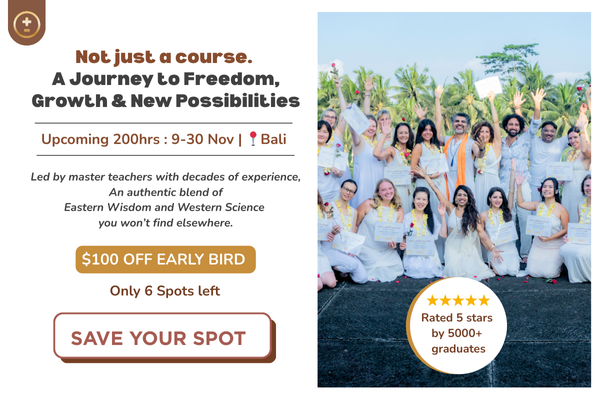
Yoga New Vision is a Yoga Alliance registered school in Ubud, Bali, active since 2011 with 15,000 graduates across 16 years of uninterrupted teaching. London’s OM Yoga Magazine named it the “World’s Most Authentic Yoga Teacher Training.” Every single cohort the school has trained has awarded a 5-star graduate rating across 600-plus verified reviews.
The 200 Hour YTT is a 22-day full immersion with a maximum class size of 25 students, held at premium resort venues nestled within Ubud’s rice paddy landscape. Root chakra healing is not a module scheduled into one afternoon of the training. It is embedded in the living daily structure from day one: barefoot earthing at sunrise, LAM mantra within morning asana practice, Nadi Shodhana in pranayama sessions, and Abhyanga as a regular self-practice component throughout the 22 days.
Many students arrive with no intention to teach. They arrive because something fundamental has shifted in how they relate to themselves, and blog posts, apps, and drop-in classes have not been enough to restore it. Both paths, the aspiring teacher and the person seeking personal transformation, are met with equal structure and equal care.
If your root chakra work has felt surface-level until now, the training is where it becomes real.
Frequently Asked Questions
1.What are the most effective root chakra healing techniques for home practice?
The most accessible starting point is a combination of barefoot earthing, LAM mantra chanting, and Nadi Shodhana pranayama. These require no equipment and produce measurable shifts in nervous system regulation within 30 days of consistent practice. Pair each technique with conscious attention to physical sensations in the lower body for full Muladhara engagement rather than surface-level repetition.
2.How long does it take to heal the root chakra and feel grounded again?
Most practitioners notice shifts within 30 days of consistent daily practice. Lasting, structural nervous system change, the kind that permanently shifts your baseline sense of security, typically requires 40 to 44 hours of guided somatic practice in a focused context. Sporadic practice produces temporary relief. Immersive, sequential practice within a structured curriculum produces enduring transformation.
3.What are the physical symptoms of a blocked Muladhara chakra?
A blocked Muladhara chakra consistently presents as chronic lower back pain, fatigue, constipation, weakened immunity, disrupted sleep, and unexplained weight fluctuation. These physical manifestations correspond to adrenal dysregulation and tension in the spinal and pelvic regions governed by the first chakra. Addressing energetic root causes alongside appropriate medical consultation produces the most comprehensive and lasting physical recovery.
4.Is root chakra healing relevant for people with anxiety and trauma histories?
Root chakra work directly engages the survival nervous system, which is the same system implicated in anxiety and trauma responses. These techniques support nervous system regulation and can be profoundly effective. They are not a replacement for clinical trauma therapy. For individuals with diagnosed trauma histories or clinical anxiety disorders, practicing these techniques alongside a qualified somatic therapist is the most responsible and effective combined approach.
5.Can I benefit from Yoga New Vision’s YTT even if I do not want to become a yoga teacher?
Yes, and a significant portion of Yoga New Vision’s 15,000 graduates enrolled specifically for personal healing and self-reconnection rather than teaching certification. The 200 Hour YTT is designed as a full-immersion transformation experience first. The Yoga Alliance certification is one outcome available to graduates. Students with no teaching intention regularly describe the 22-day program as the single most significant turning point in their adult life.
6.What makes Yoga New Vision’s approach to chakra healing distinct from other Bali yoga schools?
Yoga New Vision has maintained Yoga Alliance registration since 2011 and has trained graduates across 16 years of continuous operation. Root chakra healing at YNV is not a workshop add-on or a marketing module. It is structurally embedded in the 22-day daily curriculum as lived, lineage-based somatic practice. The school’s recognition by OM Yoga Magazine as the world’s most authentic YTT reflects this foundational commitment to transmission over performance.
7.What is the investment for the 200 Hour Yoga Teacher Training at Yoga New Vision in Bali?
The 200 Hour YTT is available in three packages: a full residential option with 21 nights of single accommodation and three daily vegetarian or vegan meals, a shared accommodation option, and a non-residential tuition-only option. All packages include the Yoga Alliance certification, course materials, and training activities. Early bird discounts and payment plans are available. A $500 deposit secures your place in the next Ubud cohort.